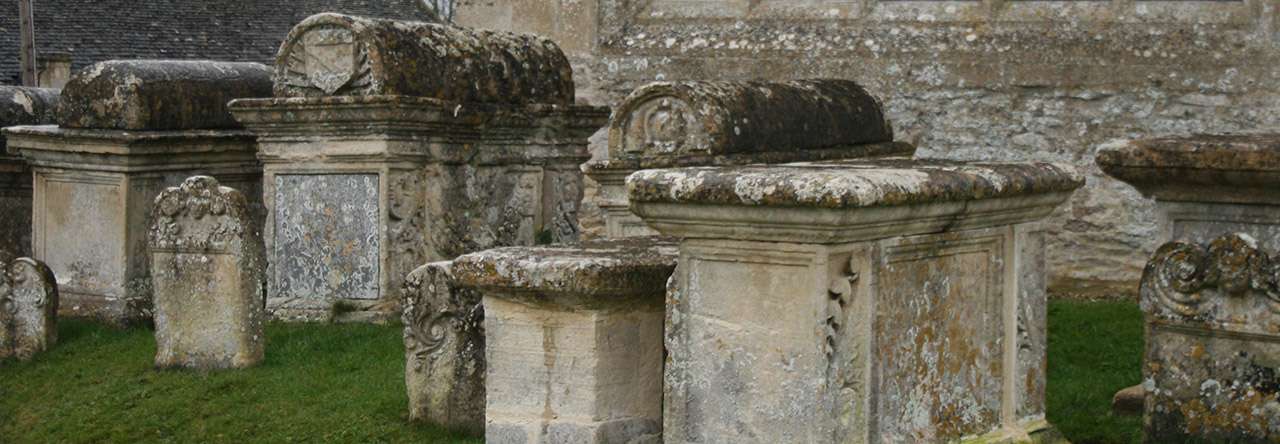
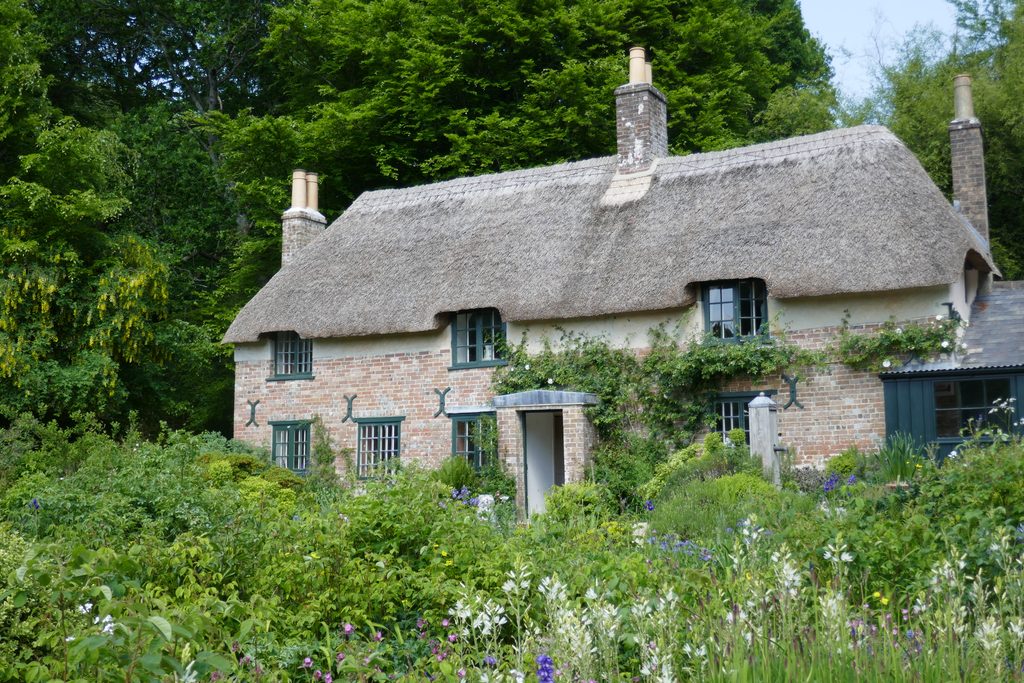
There is much to love in the novels of Thomas Hardy. I was captivated first by the literary landscape of Wessex, that protean locale encompassing Somerset, Wiltshire and Hampshire, sometimes extending to incorporate Berkshire and Oxfordshire, or Devon and Cornwall, but always centred on Dorset. It was unknown territory to me when I first read the novels and the very place names were mysterious and magical. Today I still mentally translate the road signs when I drive through those counties: Dorchester is forever Casterbridge; Shaftesbury is Shaston; Stinsford is Mellstock; Salisbury, Melchester; Oxford, Christminster.
Blackmore Vale, Hardy’s “Vale of the Little Dairies,” remains the lush, agricultural valley he described, with its hedged fields, farms and hamlets, ancient woods and narrow winding lanes. While Egdon Heath, a composite of the wild moorlands of Dorset, though heavily sacrificed to forestry and farming, still puts forward “a face on which time makes but slight impression” around Wareham, Studland and Purbeck. Stark and sparsely inhabited, it remains the misty, isolated, brown and purple landscape of stunted trees, bracken, and heather, which Hardy described:
Civilisation was its enemy and ever since the beginning of vegetation its soil had worn the same antique brown dress.
Wild ponies graze on the bronze age burial mounds still known locally as “rainbarrows.” In winter, the ground is boggy and the wind cutting but there is grandeur in the brooding solitude.
The inhabitants of Hardy’s Wessex further beguiled me. This pastoral community wore fustian and drank furmity, they worked as tranters, reddlemen, trussers, furze cutters and shepherds. They sought work at hiring fairs, celebrated changing seasons with maypoles and may queens, midsummer bonfires, harvest home suppers and dances, mumming and wassailing. The quire sang in the church gallery accompanied by their instruments:
Old William Dewey with the violincello, played the bass; his grandson Dick the treble violin; and Reuben and Michael Mail the tenor and second violins respectively.
On Christmas Eve they set out at midnight with lanterns to sing at every house in the village: Remember, Thou O Man outside the Schoolhouse; Behold the Morning Star as dawn approached; Arise and Hail the Joyful Day as they ended their nocturnal round.
But while Hardy’s novels held the key to a magical other world, he could never be accused of romanticising that world. Hardy never saw Nature as benevolent or divinely ordered; it was indifferent, without meaning. When he took the title Far from the Madding Crowd from Gray’s Elegy, the use was ironic for Hardy’s novels do not portray a peaceful, arcadian life. If the heath is loved by Clym Yeobright for its stark beauty, yet it is a prison for Eustacia Vye who yearns to escape. It is a place where sickness and death haunt animals and humans alike.
And living is hard. Hungry labourers walk from one town to another, carrying their basket of tools, in search of work. The child Jude is condemned to spend his days alone in a miserable field sounding a clacker to scare the birds from the crops for sixpence a day. On her knees in the icy mud, a destitute Tess, working as an itinerate farm labourer, hacks turnips out of the frozen earth. And there is the workhouse and charity graves for those who fail to find work.
Hardy exposes ugly behaviour and casual cruelty: neighbours are subjected to rough music and skimmington rides; a drunken Michael Hebchard sells his wife and child for five guineas.
There is murder and suicide. Jude’s son hangs his younger siblings and himself from clothes hooks on the back of the door leaving the crumpled, pathetic message: “Done because we are too menny.”
So, despite his affection for local customs and folklore, for the traditions and language of rural England, Hardy’s novels place him on the side of realism and modernity. He may have understood and sympathised with the fatalism displayed by those facing deprivation and systematic disadvantage, but I do not believe he shared it. The universe may have no meaning, but Hardy believed that we have choices. He was not a political writer but through his fiction he denounced an unequal society, a class system which denied people learning and subjected them them to the misery of exploitation through barely remunerated labour. He pilloried organised religion with its double standards of sexual morality, and moral codes condemning divorce, cohabitation, and illegitimacy. All of which made me love his novels more.
And Hardy’s novels are made for the big screen. Who can forget the highly charged erotic swordplay in Schlessinger’s 1967 version of Far From the Madding Crowd, where Terence Stamp, as the sociopathic Troy, wields his blade dangerously close to Bathsheba’s eyes and throat before cutting off a lock of her hair? I saw it on a school trip, and we spoke of little else for weeks. In 1979, Polanski gave us Tess asleep on a monolith at Stonehenge after murdering Alec d’Urberville and fleeing with Angel Clare. As dawn breaks mounted police emerge from the mist, slowly closing in on the stone circle.
Finally, Hardy’s novels are fertile territory for a gravedigger. Hardy could not resist a poignant graveyard scene. In A Pair of Blue Eyes Elfrida Swancourt lives beside a graveyard above the sea in Cornwall,
a delightful place to be buried in, postulating that delight can accompany a man to his tomb under any circumstances.
But not so for delightful Elfrida’s first lover Felix Jethway, who had died of a broken heart when she rejected him, for Elfreda canoodles first with Stephen Smith, then with Henry Knighton while sitting on poor Felix’s tomb.
When the vicar refuses a Christian burial to Tess’s illegitimate son, she buries him herself by lantern light in a neglected corner of the churchyard reserved for suicides and criminals.
In Jude the Obscure a broken Sue Bridehead begs the sexton to reopen her children’s coffin so that she can kiss them one last time.
Following the death of Fanny Robin and her illegitimate child in the workhouse a remorseful Troy plants bulbs on their grave, but a rainstorm channels water from a gargoyle which washes them away in a slew of mud.
After the publication of Jude the Obscure Hardy abandoned novel writing partly due to the hostility which his criticisms of marriage, class barriers, and formal religion had engendered. The book was denounced by bishops and banned by librarians. Instead, he focused on poetry, and again his work featured churchyards. In Voices From Things Growing in a Churchyard deceased villagers dissolved into the soil speak through the flowers and berries which they have become. In The Levelled Churchyard a chorus of displaced skeletons complain that developers have mixed up their headstones, during an architectural “restoration.”
We late- lamented, resting here
Are mixed to human jam,
And each to each exclaims in fear
“I know not who I am. “
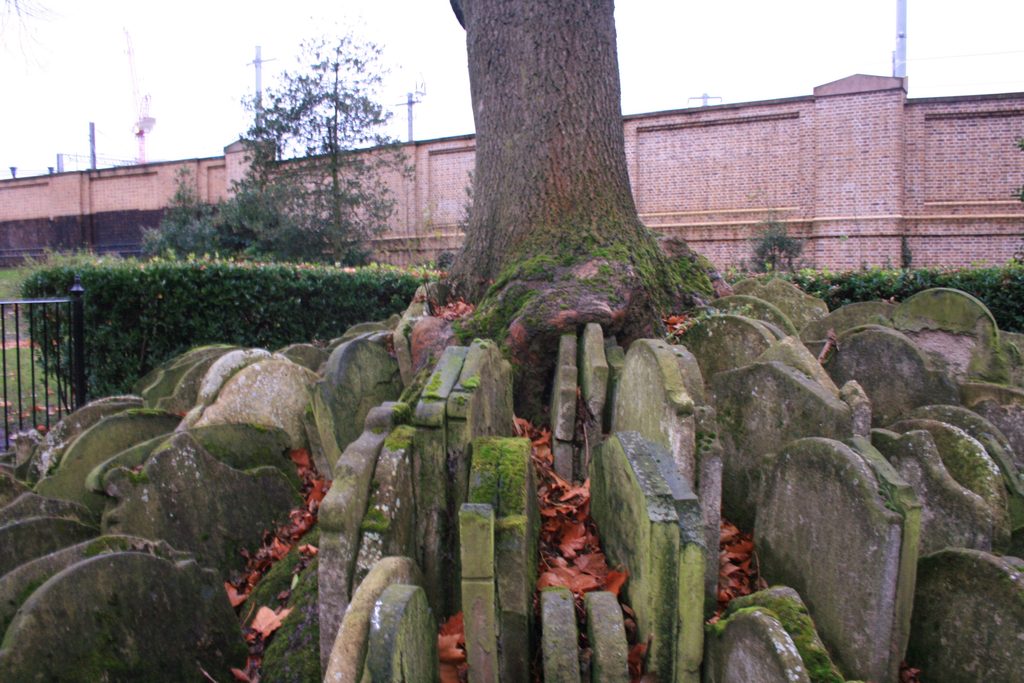
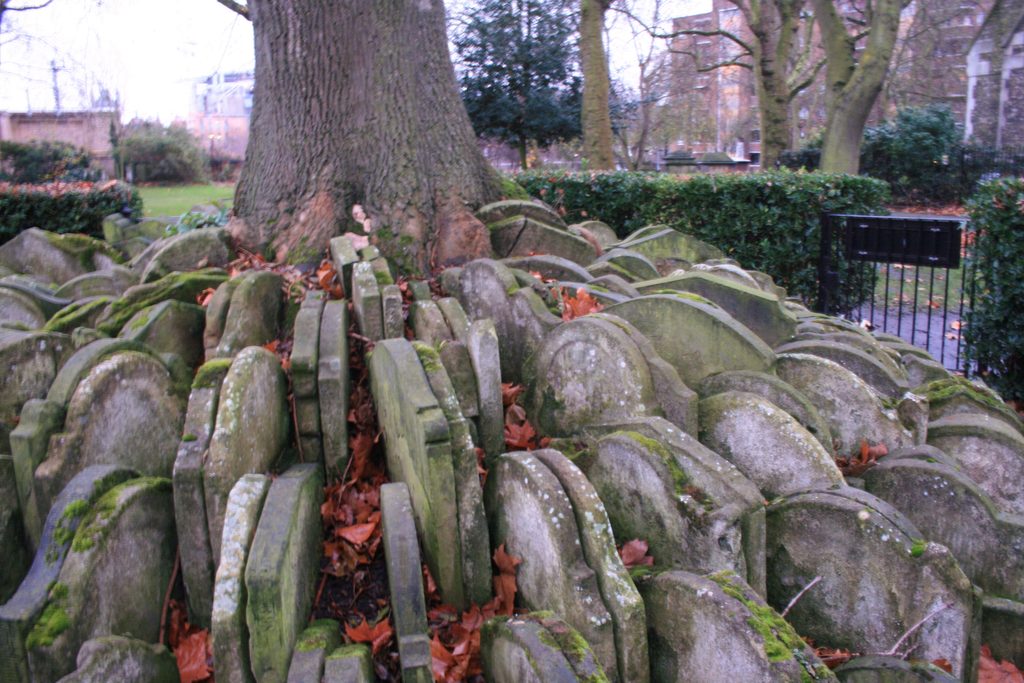
Hardy himself had been involved in just such an enterprise. As a young man he had been apprenticed to the architectural practice of Arthur Blomfield in London. To make way for the extension of the Midland Railway to a new terminus at St. Pancras part of the graveyard of St. Pancras Old Church had to be excavated. Hardy was charged with dismantling the tombs, exhuming the bodies and reinterring them in a new communal grave. He positioned the displaced gravestones around an ash tree which subsequently became known as the Hardy Tree. Sadly, in recent years the tree developed a fungal disease which weakened it and it fell in a storm in December 2022. There have been claims that the tree postdated the relocation of the stones and that it may have self-seeded as late as the 1960s. Supporters of this dismal theory are wont to produce a photograph from 1926 showing the stones but no tree. But I cannot condone any attempt to kill a good grave story.
Nor would I question the story surrounding Hardy’s own grave. Hardy had wanted to be buried in Stinsford (Mellstock) churchyard but his executors felt that his ashes should be interred in Poets’ Corner in Westminster Abbey. A compromise was reached: his heart was to be removed and buried in Stinsford, while the rest of him would be cremated for the Abbey. His heart was duly removed, wrapped in a tea towel and stored in a biscuit tin overnight at his home. In the morning, the undertaker discovered that the cat had managed to remove the lid of the tin and eaten the heart. There are two equally acceptable endings to this story. One is that the undertaker hastily substituted a pig’s liver obtained from the butcher. The other is that determined fulfil Hardy’s wish, he killed the cat and placed it, replete with its final supper, in the cremation casket.
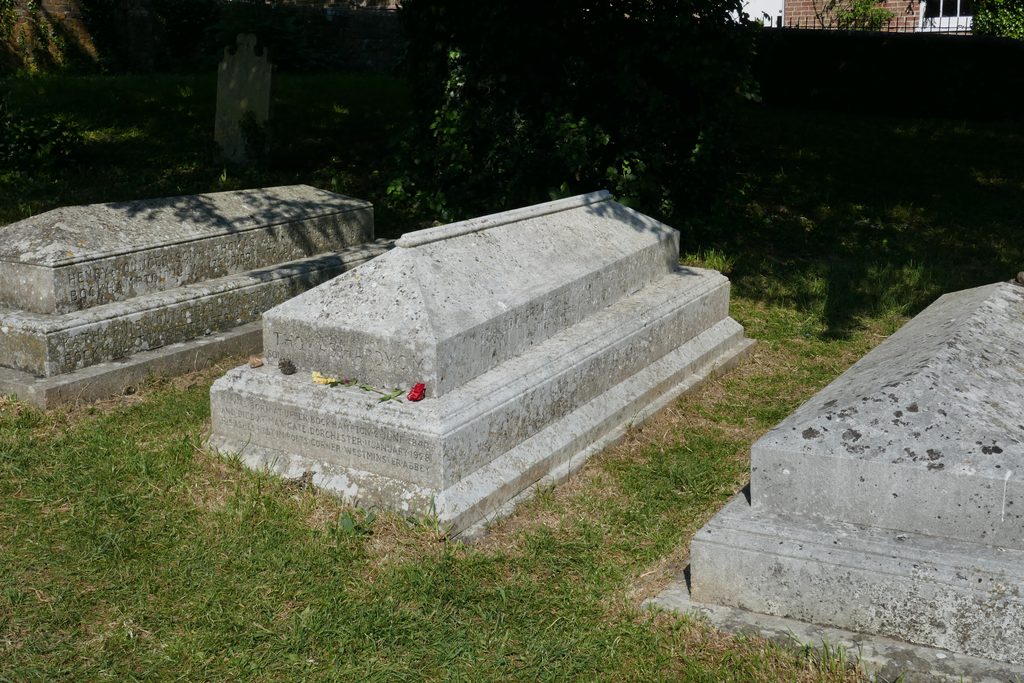
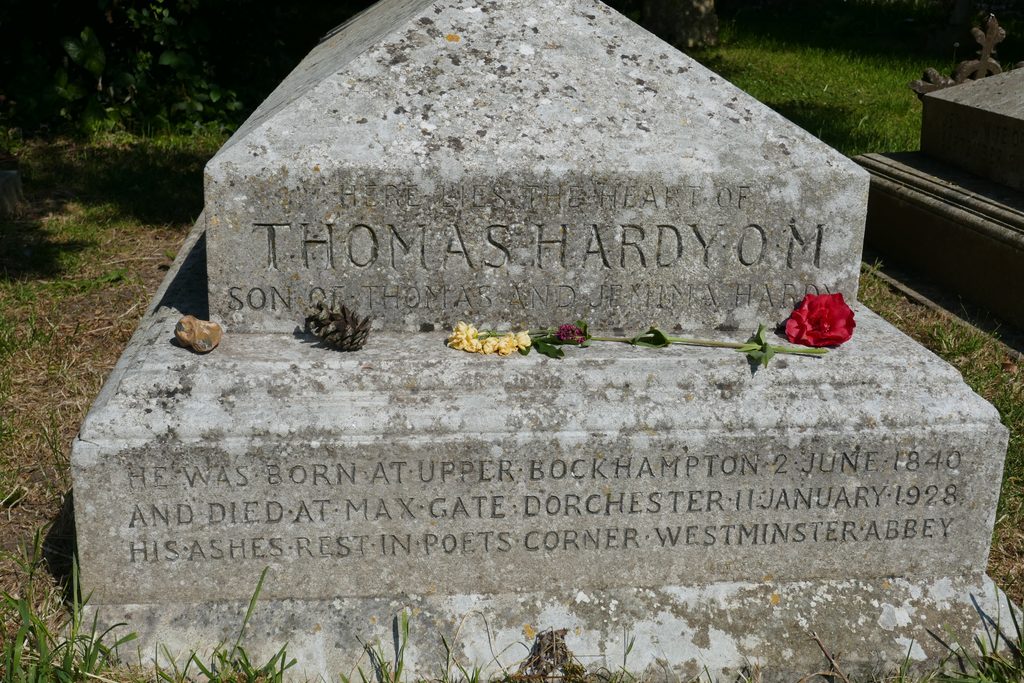
His ashes are in Westminster Abbey but his heart is here
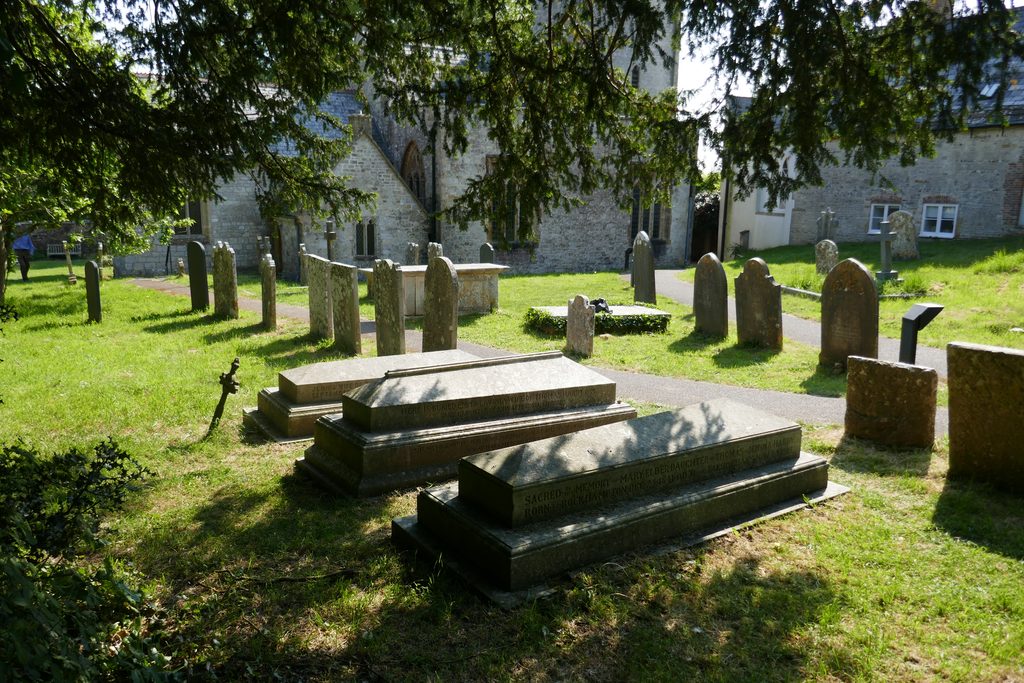
And an afterword,
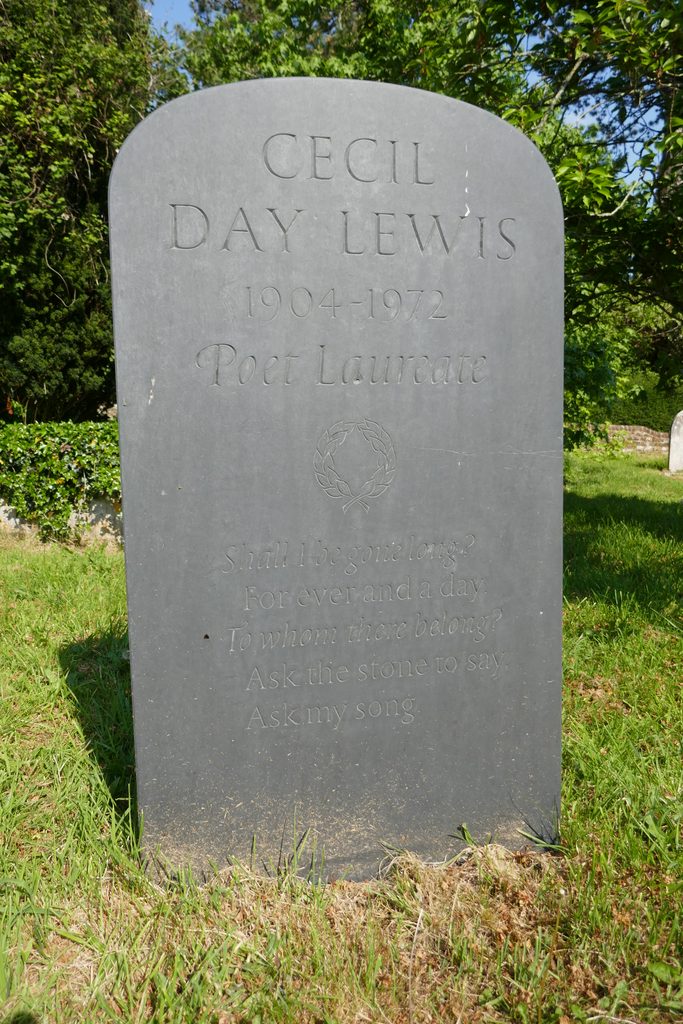
Also in Stinsford is Cecil Day Lewis. He admired Hardy so much that he chose to be buried in the same churchyard.The quotation is from one of his own poems, Is It Far To Go.