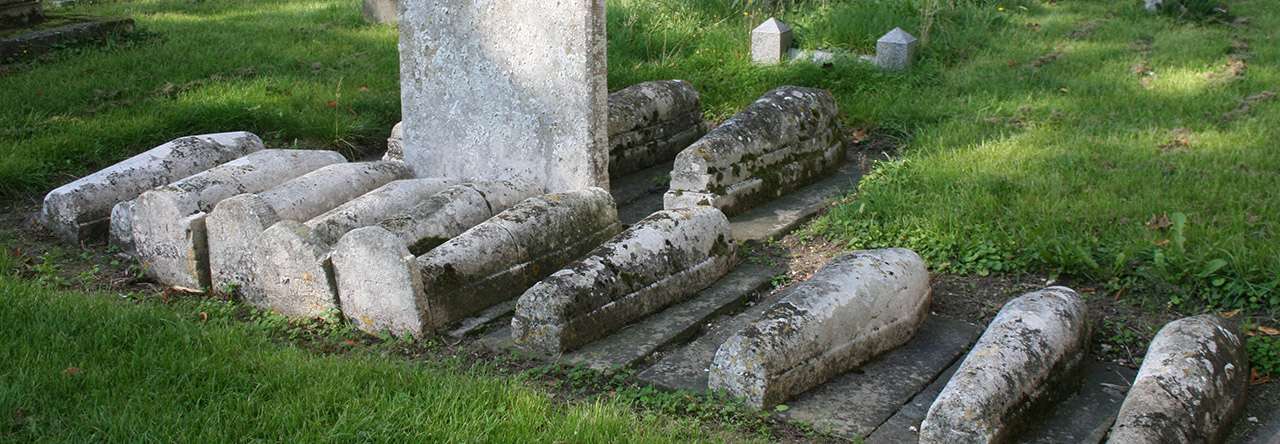
It is November now: mist lingers through the morning, a weak sun hesitates in the midday, but soon darkness leaches into the afternoon. It is a melancholy time when the festivals of All Saints and All Souls commemorate the dead. And although the Days of the Dead are not so much observed in the Anglican church as in the Roman Catholic and Eastern churches, nonetheless as I crossed the churchyard this week pots of gold and crimson chrysanthemums had appeared amongst the grey graves.
There is a prevailing sadness, the advent of the collective mourning of Remembrance Day. And it is always the First World War that we remember with most heartache, even though the Second is closer to us in time. It is woven into out national psyche, our identity and culture: no other historical event evokes the same emotional response.
Because the casualties of that indiscriminate and futile slaughter dwarfed those of previous wars, because this was a war of volunteers and conscripts as well as professional armies, because civilian deaths numbered alongside those of the military, the tragedy was unprecedented. This was no longer war to be observed as a piece of theatre as the ladies of Sevastopol had observed the battle of Alma from a nearby hill. And the war poets chronicled the horror and brutality so that we all know of the filth, the lice, the bloated bodies, the fear, the agonising deaths and the damaged survivors.
There have been war memorials since ancient times – The Stele of the Vultures in Iraq, the triumphal arches and columns of Imperial Rome – but typically they commemorated victories. In modern times, memorials in churches and cathedrals honoured combatants of wealth and rank. But when the Cenotaph was erected in 1919 it was to honour all the servicemen who had died in the Great War. Originally, it was intended as a temporary structure, built only of wood and plaster, as a focus for the Peace Day Parade. But within two days more than a million people had visited, and it was covered by the flowers they had brought. Swayed by public opinion the government agreed to the construction of a permanent memorial.
Meanwhile smaller memorials were erected in provincial cities, towns and villages, in places of work, schools and colleges. Every community had sent men to fight and there were only fifty-three parishes to which all the men returned. And because there was no repatriation of the dead, and moreover, in the chaos and horror of the conflict many bodies were lost or unidentified, there were no graves at home for those who died abroad. There were no headstones for the bereaved to visit and lay flowers. So thousands of war memorials, bearing the names of the dead, were built to honour them and to act as a focus for community remembrance. For the first time ordinary servicemen were all commemorated by name.
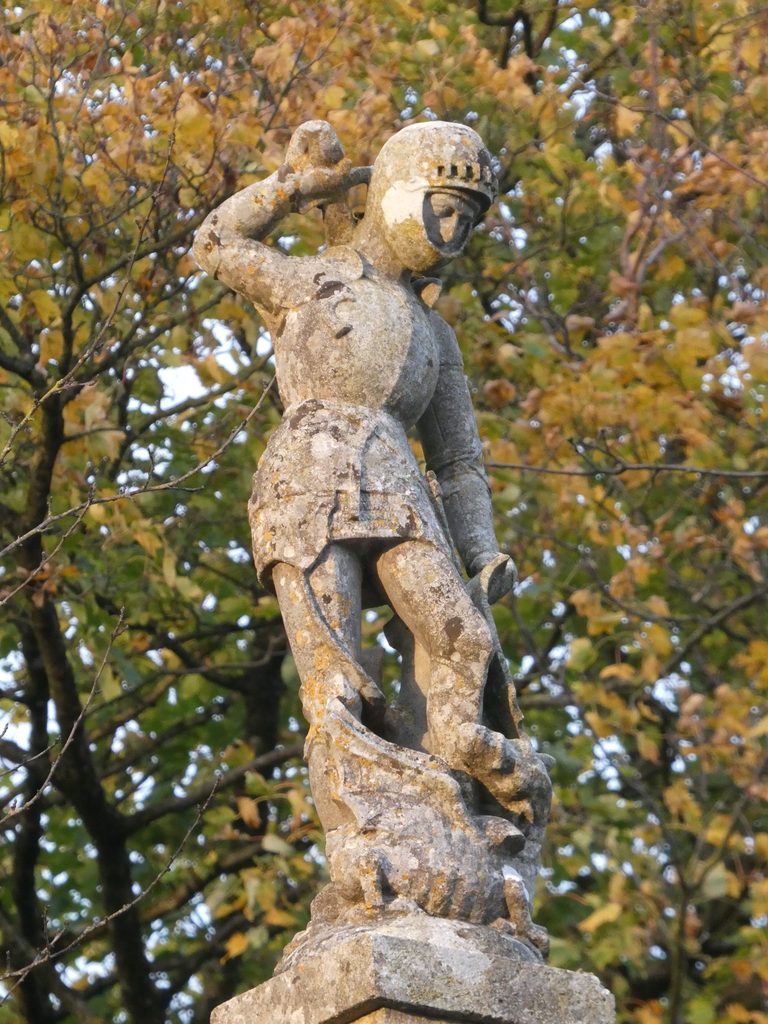
Inevitably there were disagreements regarding the form the memorials should take and the wording which should appear on them. There were reservations about the widespread use of the description “glorious dead” based on fears that to glorify death in battle was to romanticise war. Concerns were raised that memorials which fostered patriotism, with sculptures of Saint George slaying the dragon, symbolising the triumph of good over evil, could be used as political tools.
Louder protests were heard against those, few, memorials which carried a message of peace and the futility of war. They were held to be unpatriotic and disrespectful.
And as former soldiers, maimed and shell-shocked, unemployed and destitute, sold matches on street corners, the uncomfortable realisation dawned that while the dead were being honoured, the living were treated shamefully.
But if the memorials gave some comfort to those who were mourning, if the annual remembrance services made them feel less alone, then who can question their worth.
And still today we are drawn to the memorials. At this sombre time of year especially we hold the memory of those whom we never knew, those who never grew old, who never had the opportunity to muddle through life experiencing its ordinary joys and disappointments, happy times and sad ones, successes and failures, delights and regrets.
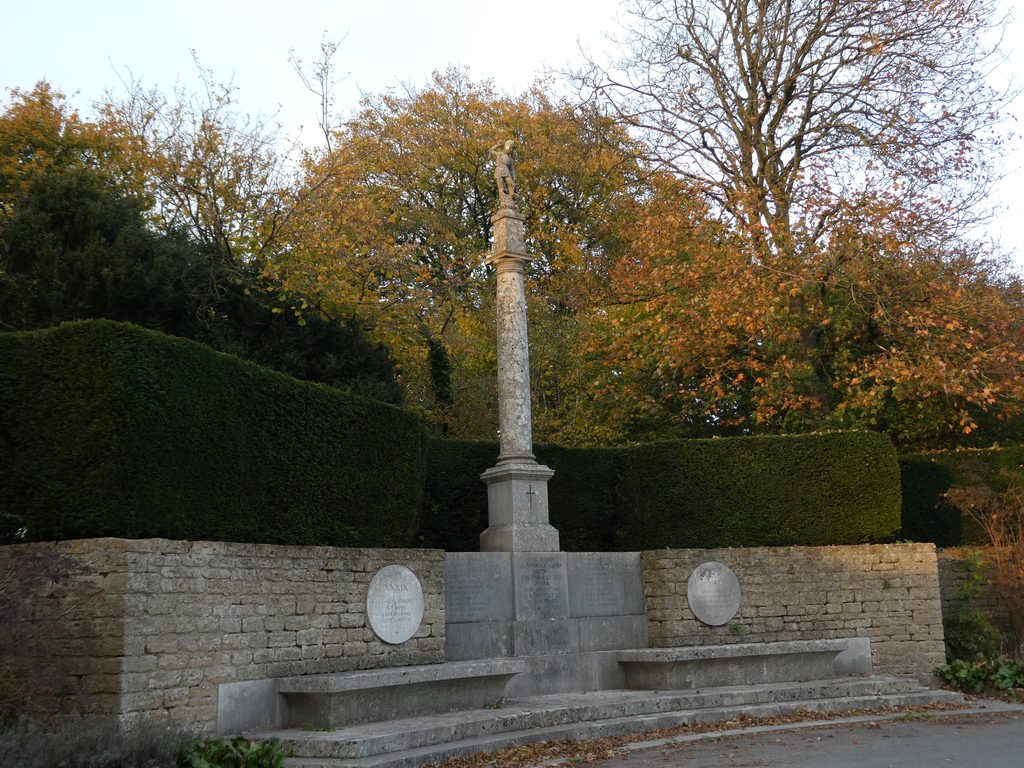
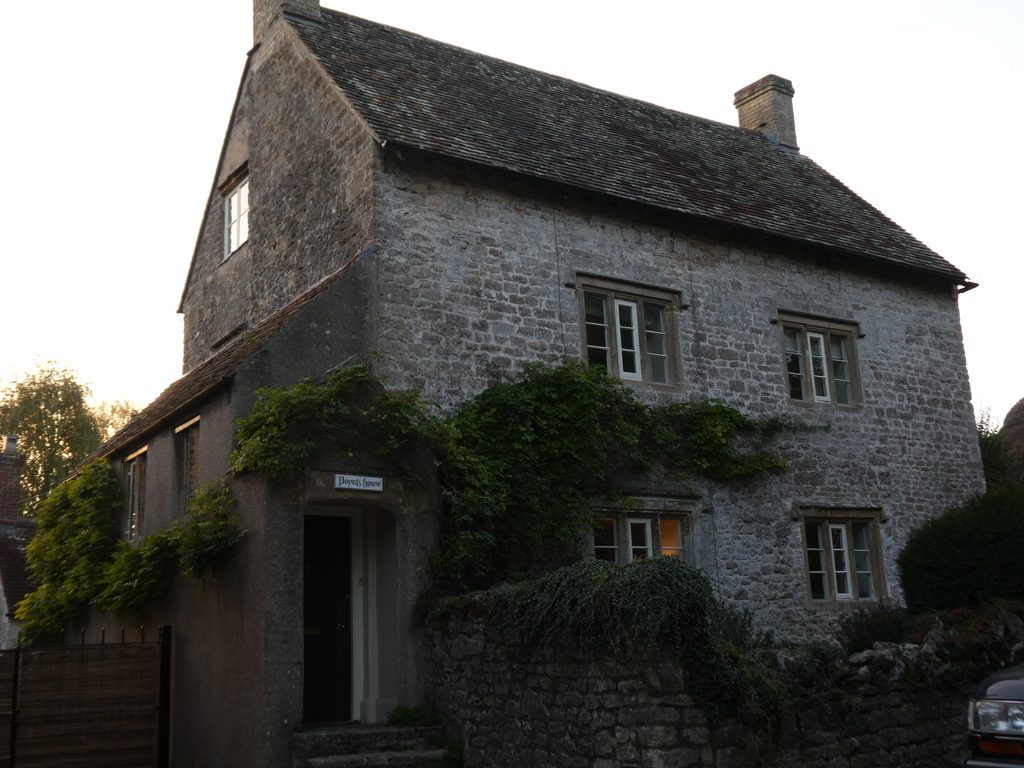
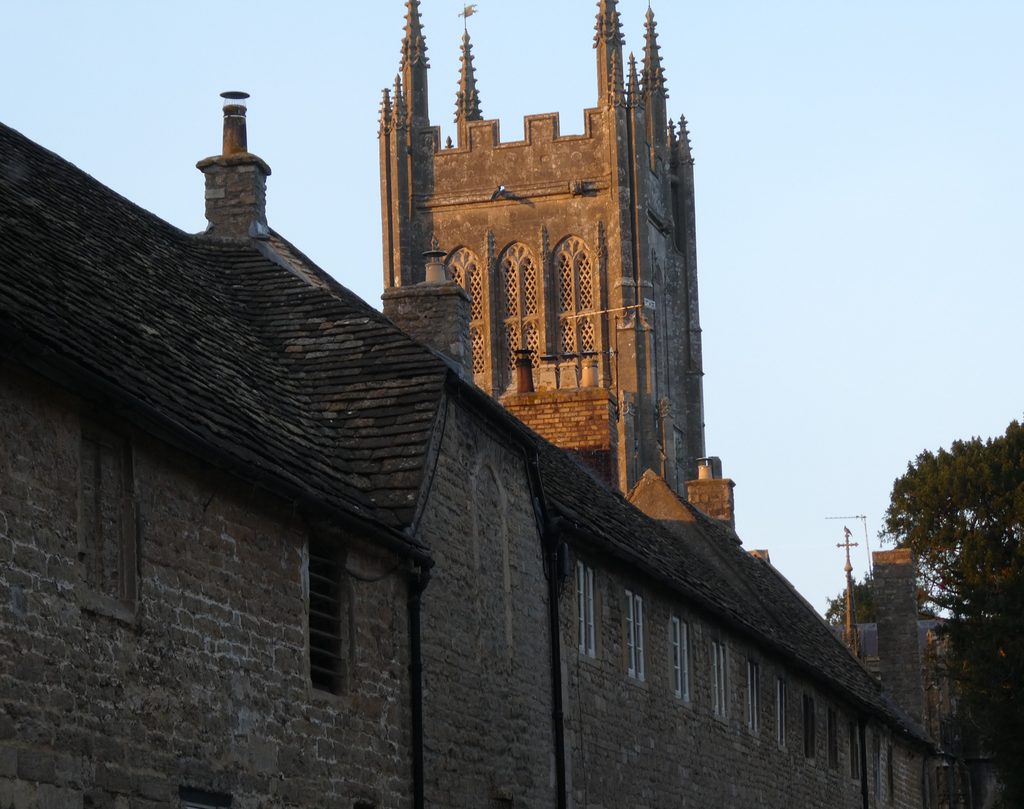
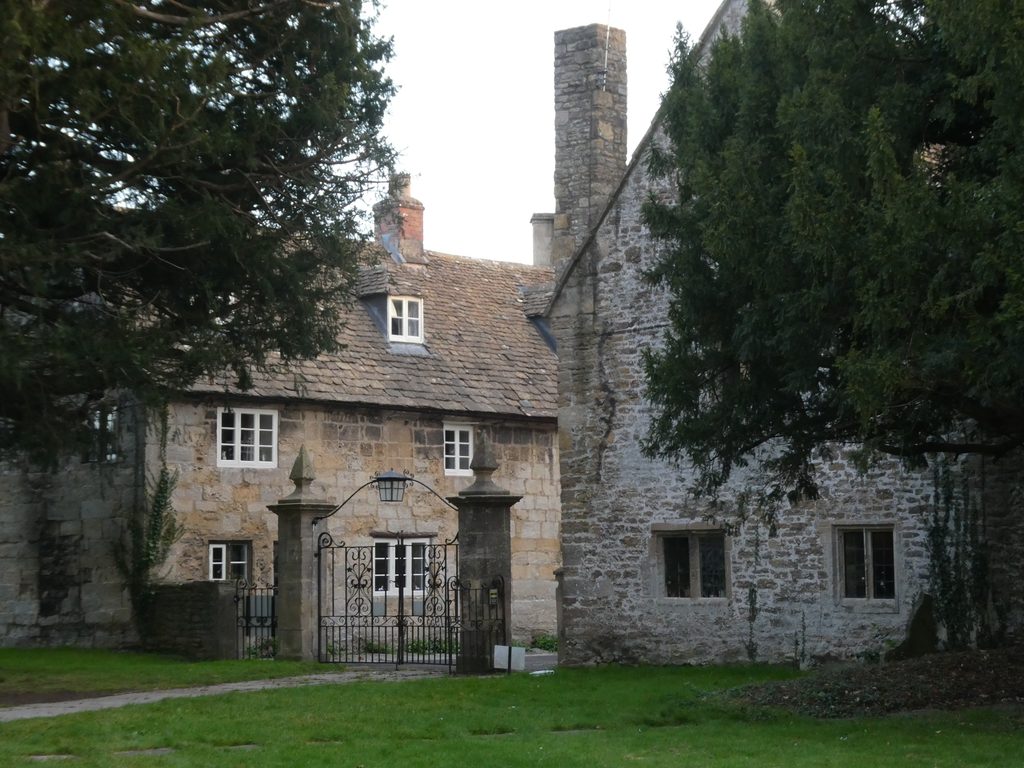
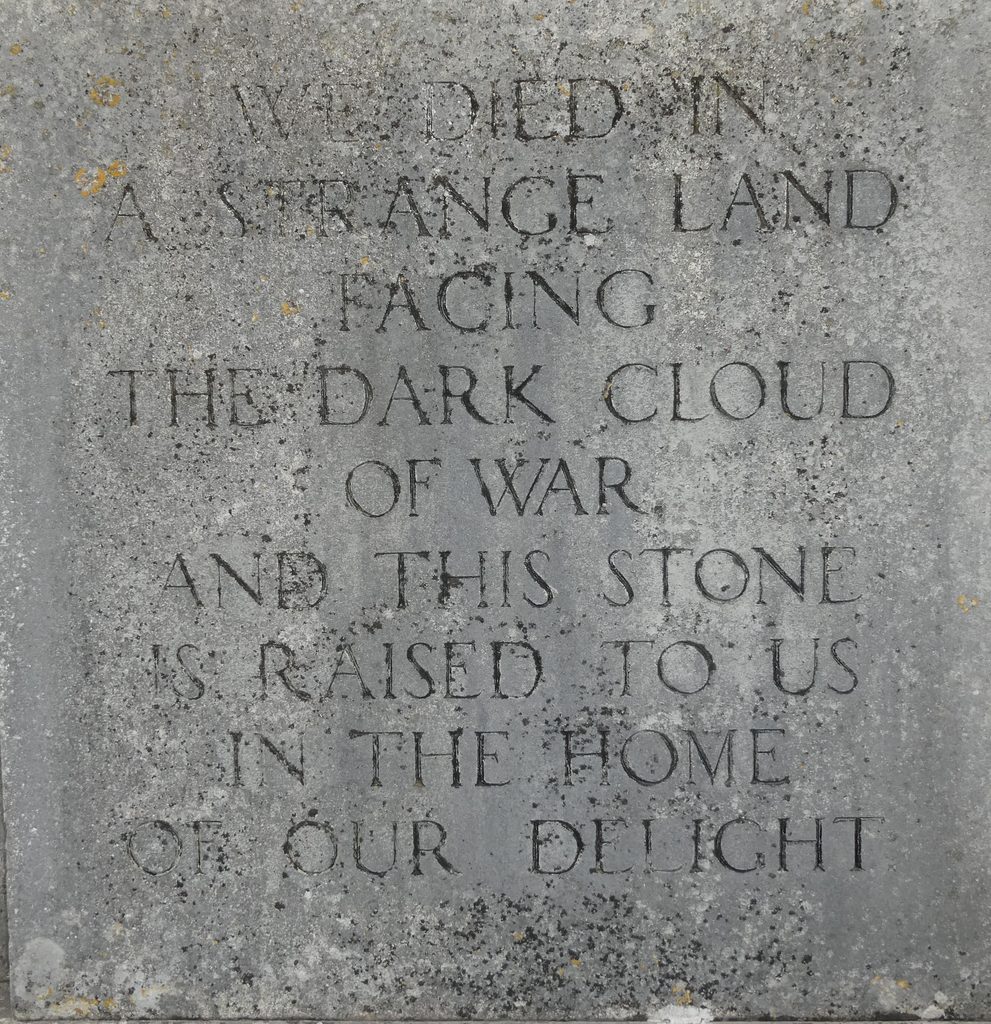
Seventy-four men left the village of Mells to fight in that war; twenty-one were killed. Their memorial stands at a crossroads in the village. The Purbeck marble column is too grand for my taste, and I dislike the sculpture of Saint George slaying a dragon. But the words carved into the stone, suggested by Robert Bridges and carved by Eric Gill are the most beautiful I have found on any memorial:
WE DIED IN
A STRANGE LAND
FACING
THE DARK CLOUD
OF WAR,
AND THIS STONE
IS RAISED TO US
IN THE HOME
OF OUR DELIGHT
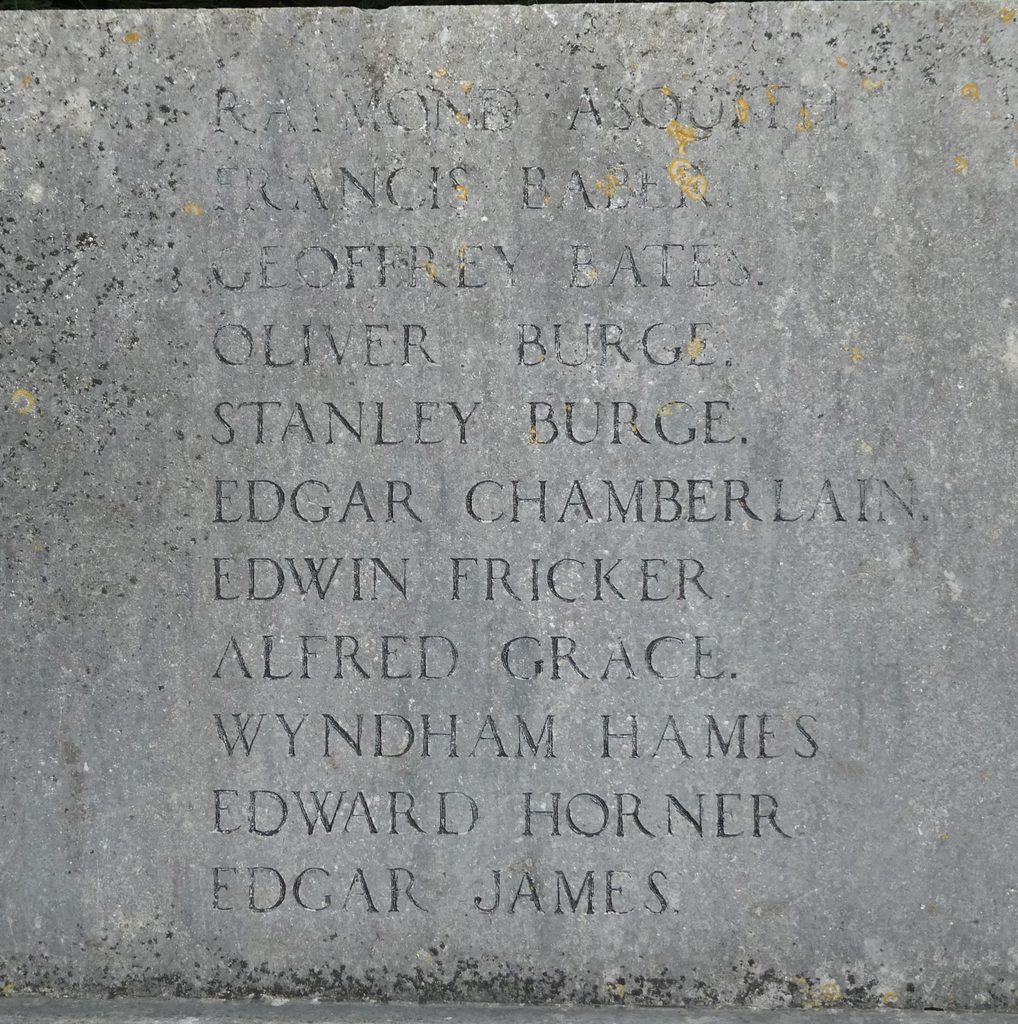
The men who died in a strange land…
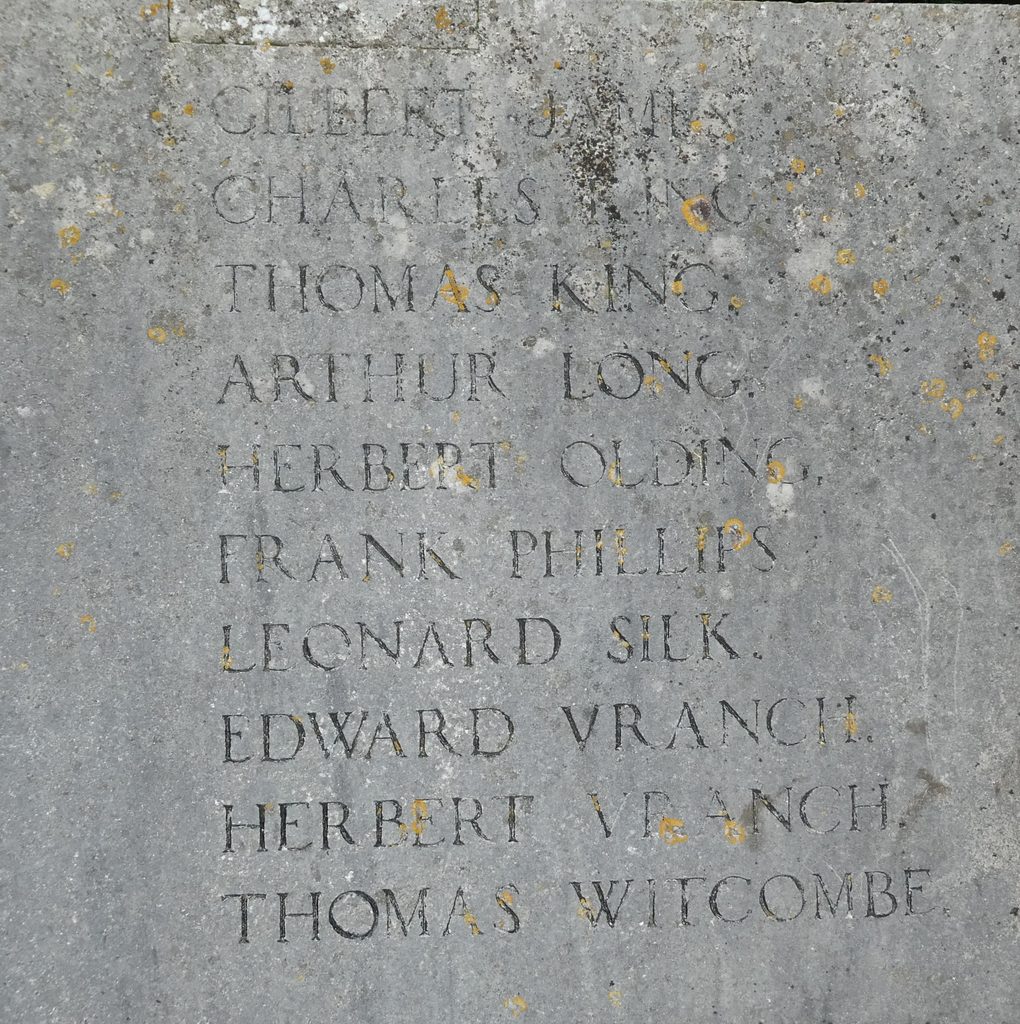
…facing the dark cloud of war.