Come with me into the graveyard, all human life is here

Category: Medics

Alfred and Ada Salter: Political Triumph and Personal Tragedy

I am fond of Rotherhithe; it is a comfortable walking distance from Tower Bridge but just far enough east to discourage most tourists… apart from those who congregate at the Mayflower Inn from where a grumpy bunch of Protestant separatists may have sailed in 1620.

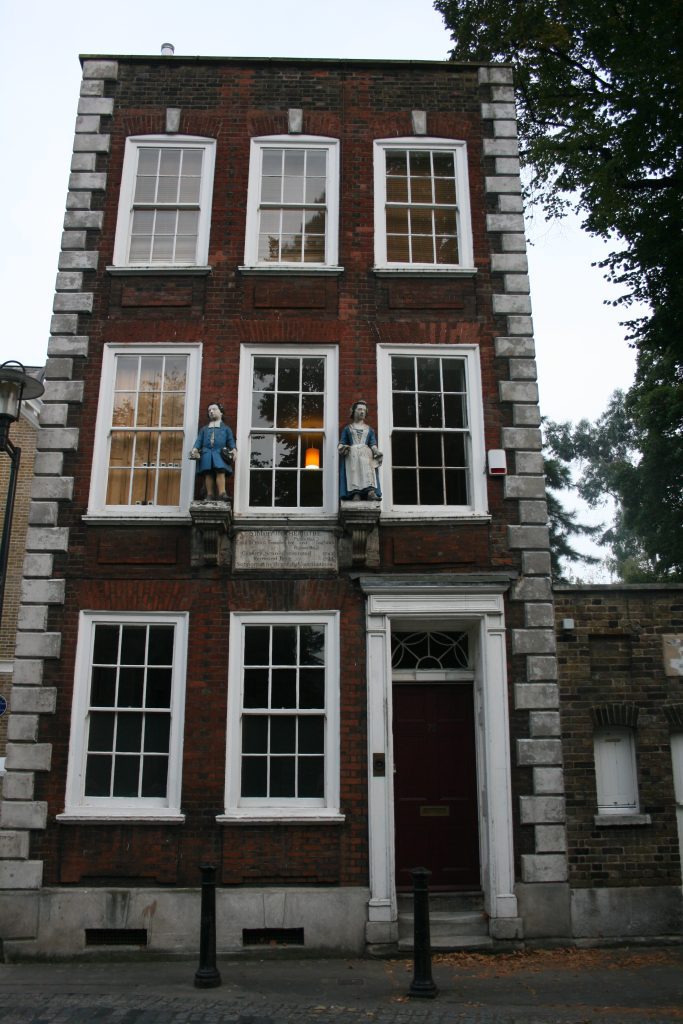
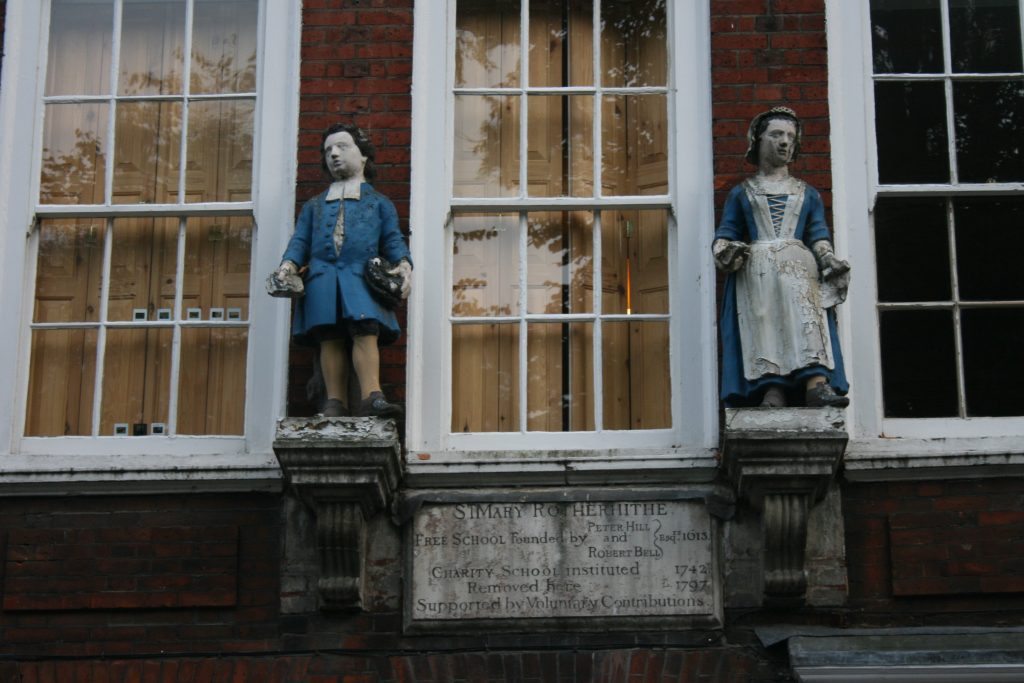
There is the little Brunel Museum located in the engine house designed by Marc Isambard Brunel as part of the infrastructure of the Thames Tunnel; the scant remains of Edward III’s Manor House; a few cobbled streets around St. Mary’s church, and somewhere in the graveyard the remains of Christopher Jones, the ship’s master on the Mayflower; St. Mary’s Free School, established 1613 to educate the children of impoverished seafarers, and bearing two statues of the charity children in their blue uniforms; and a Swedish, a Norwegian and a Finnish church.

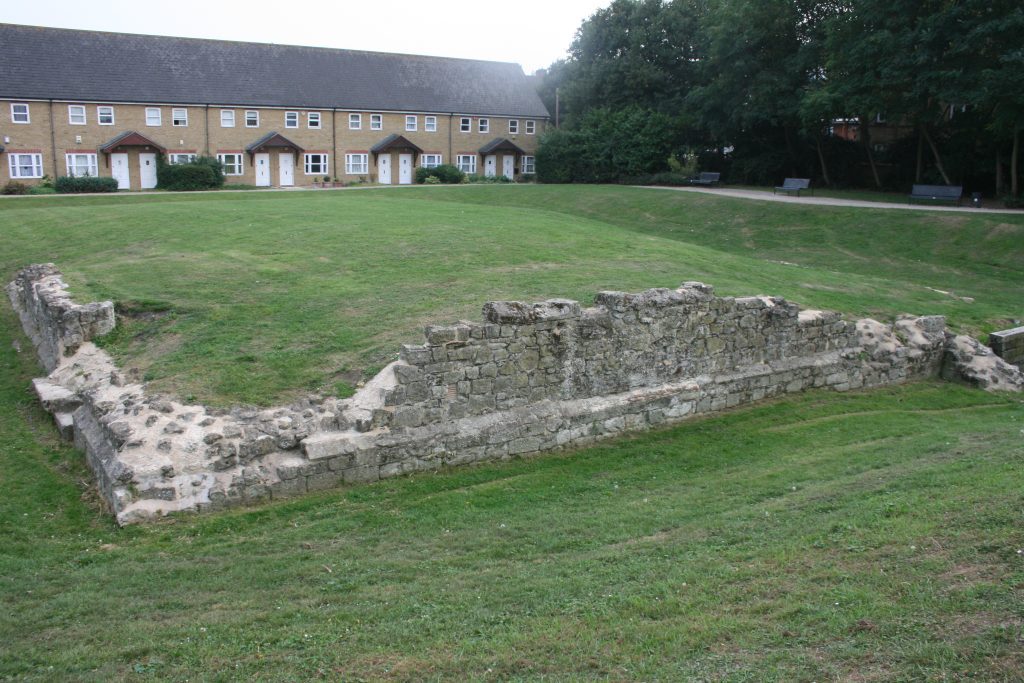
Edward III’s Manor House
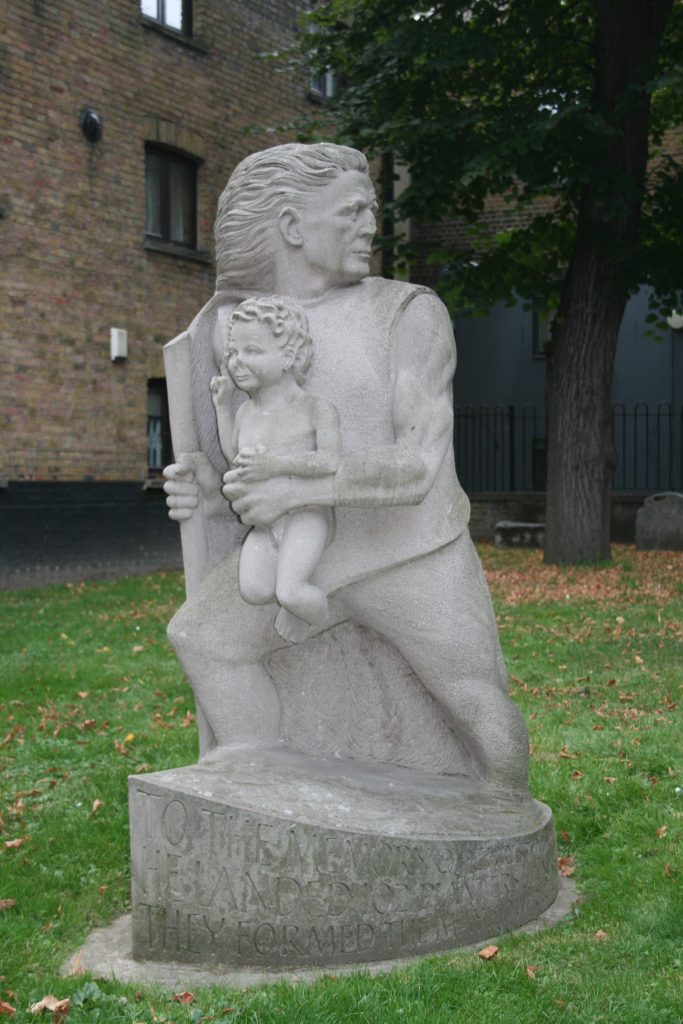
Memorial to Christopher Jones, Saint Mary’s churchyard, Rotherhithe. The Saint Christopher figure looks back to the old world, and the child forward to the new.
Saint Mary’s Free School, now a private house
Figures of charity children in their blue uniforms

Otherwise, Rotherhithe today is a comfortably ordinary sort of place, its massive docks and wharfs long gone, but I envy those who live in the warehouse conversions along the river and drink in the Angel, a cosy 1830s pub built out over the Thames on wooden posts. From its balcony there are stunning views upriver to Tower Bridge and the jostling skyscrapers of the City.

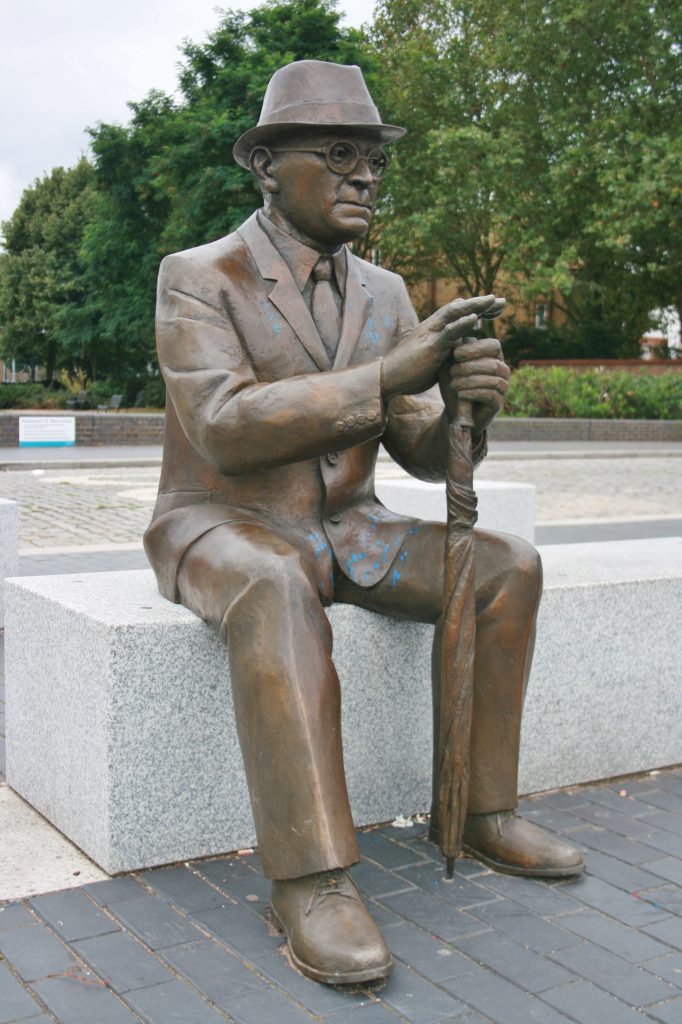
The Angel marks the boundary between Rotherhithe and Bermondsey, both part of the Metropolitan Borough of Bermondsey between 1900-1965. In an open space beside the pub is one of my favourite memorials: Dr. Salter’s Daydream.

Alfred Salter (1873-1945) entered Guy’s Hospital Medical School on a scholarship at the age of sixteen. He garnered prizes, first class honours, and gold medals. With his star burning so brightly, it was expected that he would assume a Harley Street practice, a consultancy, or a prestigious research post; Lister had invited him to join the British Institute of Preventative Medicine.

But during his time at Guy’s, Salter had become familiar with Bermondsey and Rotherhithe. I would not have envied the inhabitants in those days. Alongside the docks and the factories processing leather and hides, Salter visited courtyards where one water closet and one standpipe, operating for only two hours per day, served twenty-five houses. The dwellings were damp and cramped, with verminous walls, their occupants half starved. Jacob’s Island, made notorious by Dickens in Oliver Twist, lay in Bermondsey. Salter decided that this was where he would work.

He went to live in the Bermondsey Settlement which provided health and education services for one of the worst slums in London. Fenner Brockway, in his biography of Salter, describes a romantic figure bursting with life and energy, “known as the Settlement firebrand – militant Republican, militant Socialist, militant Agnostic, militant Teetotaller, militant Pacifist.” In these years Salter was also a member of an international organisation which assisted political refugees, Anarchists and Socialists fleeing oppressive regimes, and landing clandestinely from incoming ships at Rotherhithe docks.

At the Settlement, Salter met and married Ada Brown (1866-1942), a social worker. They bought a house in Jamaica Road in Rotherhithe where they lived above his surgery. Under Ada’s influence the former militant agnostic joined the Society of Friends, whose values accorded with the pacifist and ethical socialist beliefs which he and Ada shared.

Salter, who became known as “the poor man’s doctor” began by charging 6d for consultations but waived his fee if people were unable to pay, which did not endear him to fellow GPs. Later he introduced a mutual health insurance scheme in Bermondsey, described as “an NHS before the NHS.” He placed great emphasis on preventative medicine and education, promoting health centres and showing health propaganda films. His practice grew, and he took on four partners who shared his principles and worked on a co-operative basis.

In 1903 Salter was elected to the Borough Council and in 1922 he stood for Parliament as an Independent Labour (ILP) candidate. Having expounded the ideals of socialism, in his closing speech on the eve of the poll he told the electorate:

If you want a member of parliament who will vote for cheaper beer, you will elect one of the other candidates. If you want a member of parliament who will vote for an army and navy to defend Britain and the Empire, you will elect one of the other candidates… I will vote for prohibition. I will vote against all credits for the armed forces.

Most of his audience were drinkers and most of the men had served in the forces during World War I. His agent, horrified and fearing he was losing votes with every word, phoned the committee room begging them to send an urgent message calling the doctor to a life and death case.

Yet when the results came in next day, Dr. Salter had won and West Bermondsey had been captured for Socialism. In his maiden speech Salter introduced a motion in favour of a minimum living wage for all workers and condemned the fabulous dividends paid to shareholders. With a rare literary flourish he quoted Russell Lowell,

Have ye founded your thrones and altars then,

On the bodies and souls of living men,

And think ye that building shall endure,

Which shelters the noble and crushes the poor?

In his constituency Salter worked for better housing, free school meals, nursery schools, and playgrounds, recognising that these were as essential as medicines in improving public health. He understood that improvements in nutrition and the environment were vital to bring down deaths from tuberculosis. Under his guidance the council encouraged the use of tuberculin tested milk; the first municipal solarium in Britain was established to prevent and treat not just TB but also rickets and skin diseases; swimming pools, public baths and wash houses were built.

Salter himself bought Fairby Grange, an old mansion in Kent with twenty acres of grounds, and presented it to the Council to serve as the first convalescent home in Britain.

In 1929 he resigned his medical practice believing it was more important to focus on his political work removing the causes of sickness through help for the unemployed, adequate pensions, and recreational facilities.

Meanwhile Ada Salter had been elected as Mayor by the Borough Council, and the Labour majority replaced the union jack over the town hall with a red flag bearing the borough arms, fulfilling a prediction – “The red flag shall fly over the town hall” – which Ada had made when she was the only Socialist among fifty-six councillors. Ada also declined to wear the mayoral robes and chain of office. The Tory press was scandalised. But these were symbolic gestures, and she was soon introducing changes of greater social significance.

Campaigns against air pollution, pushing for the establishment of a green belt and promoting urban gardening, were at the heart of her work. Over two years nine thousand trees were planted in the borough. Thousands of cuttings from flowering plants at Fairby Grange were transported for summer bedding. Old gravestones were move to the walls of churchyards and the graves covered with flowers. Public buildings and lampposts were adorned with window boxes and hanging baskets. Bulbs, seeds and seedlings from Fairby were given to anyone in the borough with space to plant. In Southwark Park, which had been little more than a stark open space, flowerbeds and benches were laid out specifically with the elderly and mothers with young children in mind.

Both Salters dreamed of turning Bermondsey into a Garden Village. In Wilson Grove back-to-back slum dwellings were replaced with council owned cottages with gardens, drawing admiration at home and abroad. But a change in national government in 1924, and problems of space for rehousing the dense population, meant that elsewhere in the borough blocks of flats replaced the slums. Yet under the Labour Council gardens were built around the flats and tenants encouraged to grow plants on their balconies.

It was not easy. Fenner Brockway wrote:

For two years the planting of flowers was a complete failure. The children trampled on them and tore them up…the Housing Committee was coming to the conclusion that the gardens would have to be replaced by concrete yards. Then in the third year a daffodil broke through the earth –and the children were taught to guard it as though it were a fairy. The victory of the flowers was won. Adults and children now take pride in them.

The Salters had always been pacifists: both worked with the No Conscription Fellowship in World War One, and Alfred’s 1914 pamphlet Faith of a Pacifist had been translated and clandestinely distributed in Germany. In the 1930s he had spoken out in Parliament against arms sales and profiteering from war preparations. Both he and Ada worked for the Peace Pledge Union. He opposed the bombing of civilian areas in Germany despite the damage inflicted by the Luftwaffe in his own constituency. His last speech in Parliament in 1942 was a plea for peace reasoning that it was a terrible fallacy that ends justify means:

We cannot believe that any new or righteous order of society will be achieved by evil means, by overcoming evil with greater, more potent and more effective evil

His last political act was to join a two day fast to draw public attention to famine and starvation in Greece; under the combined impact of the Nazi occupation and the British naval blockade 30,000 people had died in the winter of 1941-42. Churchill’s government reluctantly lifted the blockade in February 1942.

The Salters chose cremation and have no gravestones. In 1949 Fenner Brockway wrote that the Borough of Bermondsey, despite its war time devastation, was Salter’s monument.

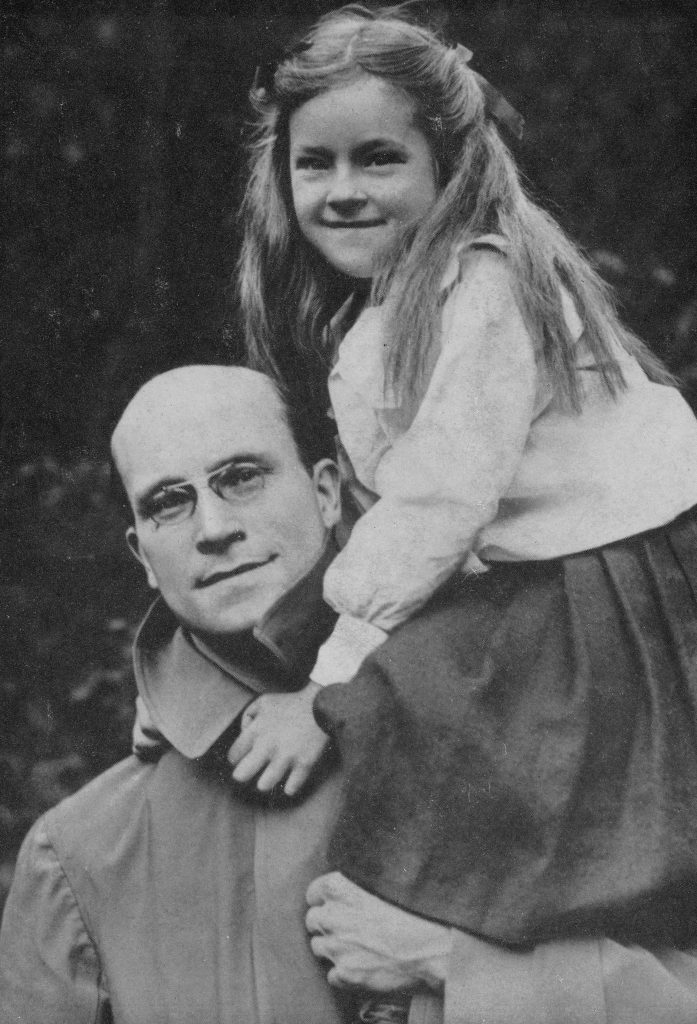
But Dr. Salter’s Daydream, the bronze memorial beside the Thames, remembers not just Alfred and Ada Salter’s medical and political achievements, but their private tragedy. For they had a daughter, Joyce. Unlike other middle-class parents, they did not send her to a boarding school outside the borough, for they did not believe that any child should have privileges denied to others. She attended a local school and made friends with local children. Her parents reserved a room in their home for Joyce and her friends. There everything was washable, and the toys and furniture regularly disinfected. Nonetheless when she was eight years old Joyce caught scarlet fever for the third time.

The Salters did not draw their blinds as was customary following a death. “She was our sunshine,” said Ada. “Why should we shut out sunshine?” Joyce’s portrait hung in their study, and to the end of her life Ada decorated it with flowers every day.

Portrait of Joyce with her father.
Image source: wikimedia creative commons, licensed under CC by 4.0 international license
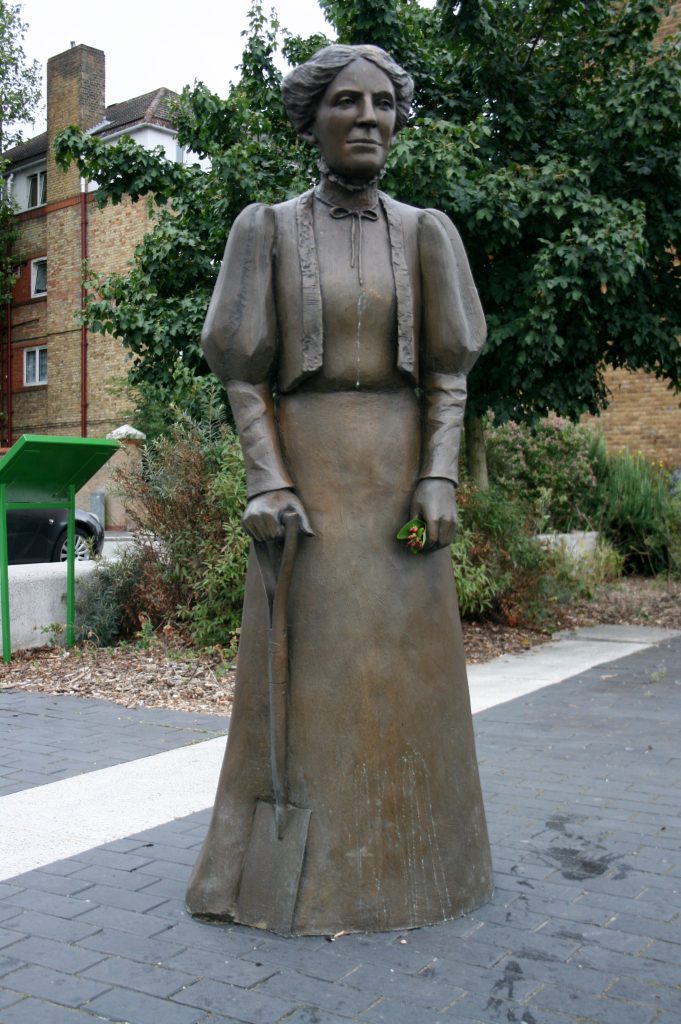
Dr. Salter’s Daydream, bronze designed by Diane Gorvin, 1991.
Dr. Salter, remembering happy times with his daughter, looks towards the Thames, where Joyce leans against the wall.
Ada Salter with her gardening spade, her left hand is designed to hold the flowers which are often left for her.
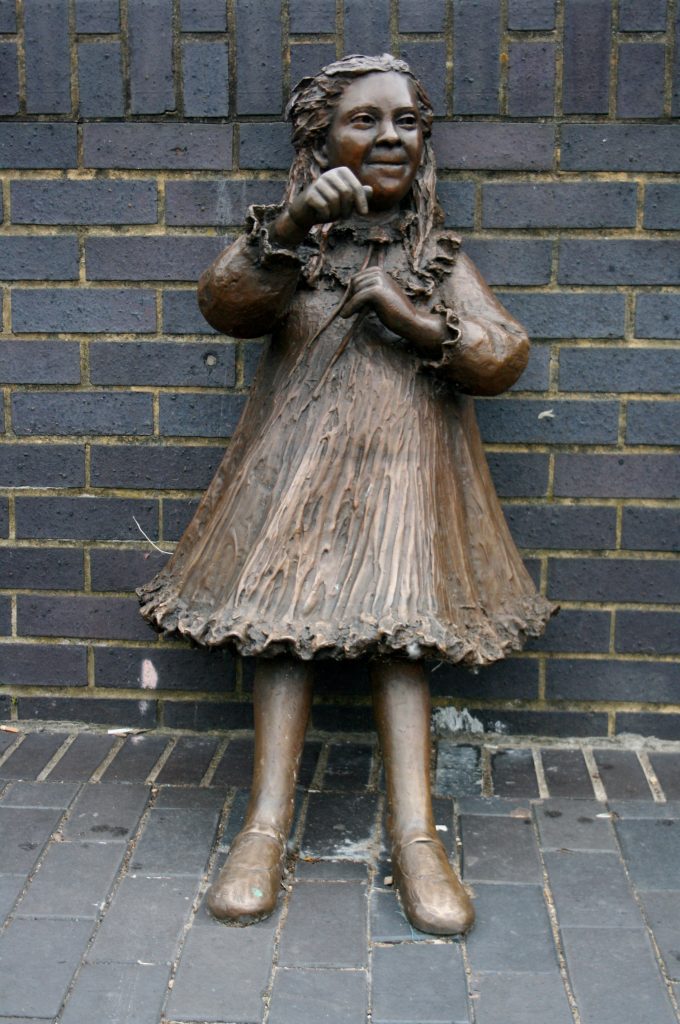
As can be seen from the photograph above, Joyce was a beautiful child. Unfortunately the bronze of her is not so successful as those of her parents.
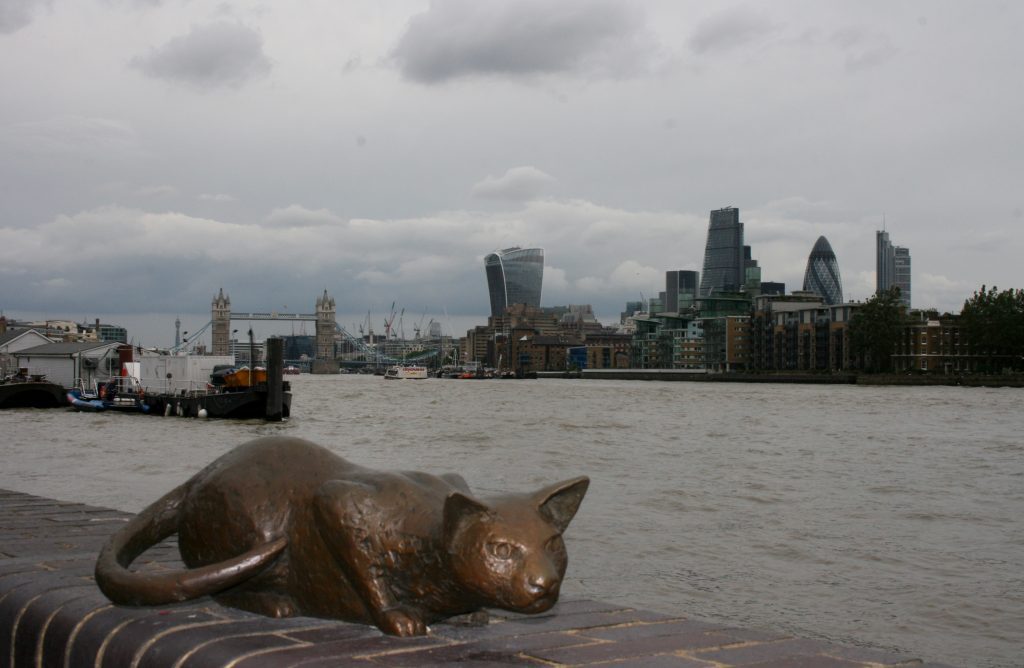
Joyce’s cat poised on the wall above her. In the background Tower Bridge, and modern skyscrapers in The City.

*****************************************************************

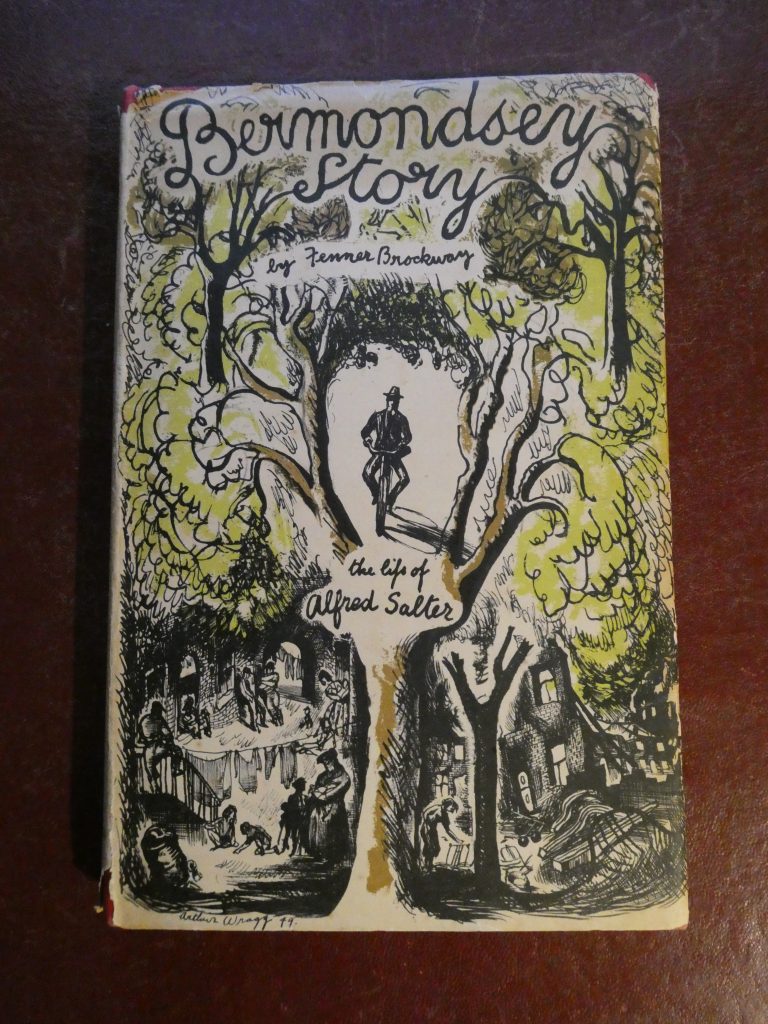
The information reproduced here about the work of Alfred and Ada Salter comes largely from Fenner Brockway, Bermondsey Story, the life of Alfred Salter, George Allen and Unwin Ltd., 1949.

Bookcover by Arthur Wragg. Dr. Salter always cycled to Parliament on the old bicycle illustrated here.

Lynn Morris of the Journeyman Theatre wrote and performed Red Flag over Bermondsey about the life of Ada Salter in 2016.

Three Ladies of the Crimea

In 1853 the Ottoman Empire was in decline and Russian expansion threatened the balance of power. British and French armies united with the Turks fighting the Russians in Crimea. WH Russell’s journalism, Roger Fenton’s photography, Tennyson’s poetry, and the paintings of Elizabeth Butler, Robert Gibb and Harry Payne fostered a jingoistic enthusiasm for the war in Britain such that Alma, Balaklava, and Inkerman still feature as street names today.

Against this background Florence Nightingale emerged as a national heroine, venerated by Victorians as The Lady with the Lamp.

Nightingale (1820-1910) was born into a wealthy British family. She believed, as significant numbers of Victorians did, that she was called by god to serve others. Her decision to realise this through nursing was strongly, and unsurprisingly, opposed by her family. “Nurses” at this time were not far removed from the caricature of Sarah Gamp presented by Dickens in Martin Chuzzlewit: untrained, incompetent, negligent and often drunk. Hospitals were filthy places with straw spread on the floors, as it might be in an old butcher’s shop, to soak up blood.

Nightingale however managed to acquire some medical training at a Lutheran religious community in Germany where the deaconesses worked with the sick. In 1853, through social connections, she was appointed Superintendent of the Institute for the Care of Sick Gentlewomen in Upper Harley Street.

In 1854 Sidney Herbert, the Secretary of State for War, who knew Nightingale well, appointed her to lead a staff of thirty-eight women volunteer nurses at the military hospital in Scutari. Here she found the wounded being treated in horrific conditions with shortage of medicines, hygiene neglected, overworked staff, overcrowding, lack of ventilation, poor nutrition, and rampant infections. Ten times as many soldiers were dying from typhus, typhoid, cholera, and dysentery as from battle wounds.

Five days after her arrival the injured from the battles of Balaklava and Inkerman appeared at the hospital. Nightingale instituted practical measures: cleaning, hand washing, bathing patients, improved nutrition.

The improved hygiene may have reduced the death rate, but the latter remained high until the British Government set out a sanitary commission. Realising that the hospital was built over defective sewers and patients were drinking contaminated water, they flushed out the sewers and improved ventilation. The mortality rate then fell substantially, but not as dramatically as reported at the time since the government concealed accurate figures to avoid criticism.

Meanwhile the media of the day romanticised and arguably exaggerated Nightingale’s achievements. William Russell in The Times:

She is a “ministering angel” without any exaggeration in these hospitals, and as her slender form glides quietly along each corridor, every poor fellow’s face softens with gratitude at the sight of her. When all the medical officers have retired for the night and silence and darkness have settled down upon those miles of prostrate sick, she may be observed alone, with a little lamp in her hand, making her solitary rounds.

A portrait of her with her lamp appeared in The Illustrated London News and Henry Wordsworth Longfellow immortalised her in Santa Filomena, a sentimental and moralising poem which enjoyed great popularity:

Lo! In that house of misery

A lady with a lamp I see

              Pass through the glimmering of the gloom

              And flit from room to room.

Lytton Strachey, a man not given to hyperbole, nor to bad poetry, nonetheless praised Nightingale in his book Eminent Victorians which debunked other nineteenth century heroes. His more judicious reasoning suggesting that her achievements were as admirable as her personality was intolerable. The Lady with the Lamp was stubborn and opinionated, he claimed, but these qualities were needed to realise improvements at Scutari.

Although she is most remembered for her time in the Crimea, Nightingale’s achievements when she returned home after the war were greater. In 1860 she set up the first secular training school for nurses at St. Thomas’ Hospital in London. She insisted on autonomous nursing leadership with matrons having full control of their staff, to the chagrin of doctors who saw their authority threatened. The hierarchical structure which she instituted, influenced by her contact with the army, undoubtedly alienated some potential nurses. Yet the teaching hospitals transformed nursing into a respectable, and respected, profession.

Nightingale turned her attention not only to the sanitary design of hospitals but also to working class homes. Working with the sanitary reformer Edwin Chadwick she produced statistical models highlighting the causes of mortality. Their mutual commitment to adequate drainage reduced the death rate. A pioneer statistician, Nightingale produced the so called rose diagrams, a type of pie chart, summarising their research in a form which could be quickly understood and used to put pressure on government to introduce reforms.

Nightingale was lauded by the press, received awards and decorations including the Order of Merit, and offered a burial in Westminster Abbey which in accordance with her prior request her family declined. She is buried in St. Margaret’s churchyard, East Wellow, Hampshire near her family home.

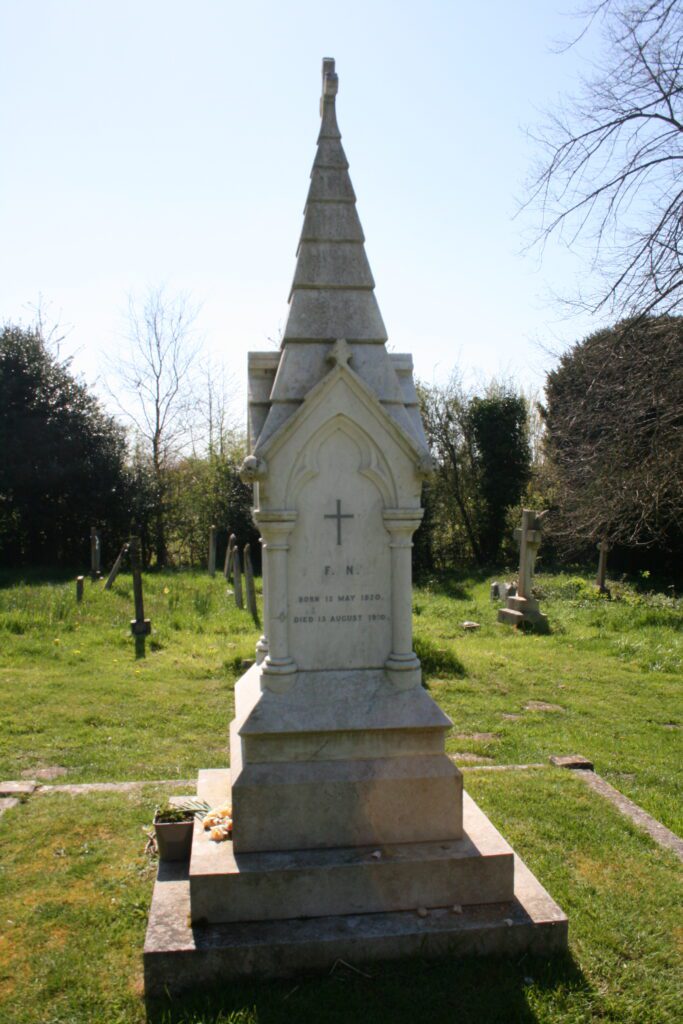
The rather stark grave of Florence Nightingale bears only her initials and dates of birth and death
Statues of Nightingale and Sidney Herbert flank the Crimean War Memorial at Waterloo Place in London

But Nightingale was not the only woman whose fame rested largely on her activities in the Crimea. Mary Seacole (1805-1881) was born in Jamaica where her mother ran a boarding house and convalescent home for military and naval staff. She was also a “doctress”: a woman who treated the sick with traditional Caribbean and African herbal medicines. Seacole worked alongside her mother, sometimes providing nursing assistance at the British Army Hospital.

In 1851 while visiting her brother in Panama she helped to treat victims of an outbreak of cholera. Spotting a business opportunity in Panama, where gold prospectors were passing to and from California, she opened the British Hotel and Restaurant to cater for them.

Seacole travelled to England initially to deal with investments which she had acquired in gold mining businesses. She then applied to the War Office to join the second contingent of nurses going to the Crimea, but the full complement had already been secured. She appealed to the trustees of the Crimea Fund, established to support the wounded in Crimea, for sponsorship to travel there but was refused. Seacole suspected a lack of appreciation of her skills as a doctress and an element of racism in this refusal:

In my country, where people know our use, it would have been different; but here it was natural enough…that they should laugh, good-naturedly enough, at my offer….Was it possible that American prejudices against colour had some root here? Did these ladies shrink from accepting my aid because my blood flowed beneath a somewhat duskier skin than theirs? (1)

Seacole used her own resources to travel to Crimea where she opened the New British Hotel at Balaclava in 1855 aiming to provide food and accommodation for sick and convalescent officers. The French chef, Alexis Soyer, who had come to Crimea to help improve the diet of British soldiers, advised her to concentrate on a food and beverage service as the officers slept on their ships or in camp.

For the duration of the war, Seacole combined a successful catering business with medical aid to the wounded. She served officers in the British Hotel and sold provisions near the British camp. After supplying food and drink to spectators who came to view the battles from Cathcart’s Hill, she would head for the battlefield to nurse the casualties.

WH Russell wrote:

She was a warm and successful physician, who doctors and cures all manner of men with extraordinary success. She is always in attendance near the battlefield to aid the wounded and has earned many a poor fellow’s blessing. (2)

“Mother Seacole” as she became known to the soldiers.

out of the goodness of her heart and at her own expense, supplied hot tea to the poor sufferers (wounded men being transported from the peninsula to the hospital at Scutari) while they are waiting to be lifted into the boats…She did not spare herself if she could do any good to the suffering soldiers. In rain and snow, in storm and tempest, day after day she was at her self-chosen post with her stove and kettle, in any shelter she could find, brewing tea for all who wanted it, and there were many. (3)

But Seacole did much more than provide tea; equipped with lint, bandages, needles, and thread she tended to the wounds of soldiers, prepared medicines, and performed minor surgery. (4)

When the war ended and the soldiers left Crimea, Seacole faced financial difficulties with provisions she could no longer sell and creditors demanding payment. But such was her celebrity and popularity that when she returned to England a fund supported by many military men was set up on her behalf.

Mary Seacole continued to travel and in 1857 published her autobiography, The Wonderful Adventures of Mrs. Seacole in Many Lands.

In 1860 she had converted to Catholicism, and when she died, she was buried in St. Margaret’s Roman Catholic Cemetery in Kensal Green.

But while Nightingale’s fame endured after her death, Seacole was all but forgotten for a century, until in 1973 her grave was rediscovered and restored by the Jamaican Nurses Association. A memorial service was held on the centenary of her death in 1981.

Grave of Mary Seacole…
..newly restored and easily located amongst the grey stones which surround it

 In the 21st century Seacole has achieved more prominence, and since 2007 she has featured on the national curriculum alongside Florence Nightingale.

And then there is Mary Anne Bulkley (1789-1865), more commonly known as James Barry, army surgeon and Inspector General of Military Hospitals, whose passion for improved sanitation rivalled that of Nightingale, and whose emphasis on the importance of good diet surpassed that of Seacole.

Barry was born in Cork and assumed male identity in 1809 when she entered the medical faculty of Edinburgh university, where she would not at that time have been admitted as a woman. She came close to being banned from taking her final exams, not on the suspicion that she was a woman but that her delicate appearance indicated that she was underage. Only the intervention of an influential family friend secured her graduation.

She went on to qualify in surgery at St Thomas’ and Guy’s Hospital and became an army surgeon. Her career was marked by remarkable success and frequent promotions with postings all over the empire, interspersed with violent clashes with fellow surgeons, military officers and officials leading on one occasion to a duel, followed by arrest and demotion.

In Cape Town she became the Colonial Medical Inspector, and it was there that she performed one of the first successful Caesarean sections.

Throughout her career she was concerned with the welfare of the poor and underprivileged, and of rank-and-file soldiers. And from this sprang her obsession with clean water, spotless wards, sterile instruments, improved sanitation, and healthy diet.

Though her professional skill was never in doubt, she earned a reputation for being tactless, impatient, argumentative, imperious, and opinionated.

During the Crimean war she ran a hospital for convalescent soldiers in Corfu, as always putting emphasis on the paramount importance of hygiene, clean hands, and instruments. The hospital had some of the highest recovery rates of the conflict.

Soon after, in 1859, Barry was forcefully retired on the grounds of old age and ill health.

She had left instructions that there should be no examination of her body after death, that she should not be washed, but buried in the clothes she died in wrapped in her bedsheets. Nonetheless her landlady summoned a woman to lay out the body. On discovering that Barry was a woman the latter approached DR McKinnon, Barry’s own physician, hoping to be paid for her silence. When McKinnon refused saying that Barry’s sex was none of his business, she took her story to the press.

There resulted the prurient speculation which McKinnon, and others who had known of Barry’s sex, had sought to avoid. Fortunately, as McKinnon pointed out, there was no family to be distressed by this.

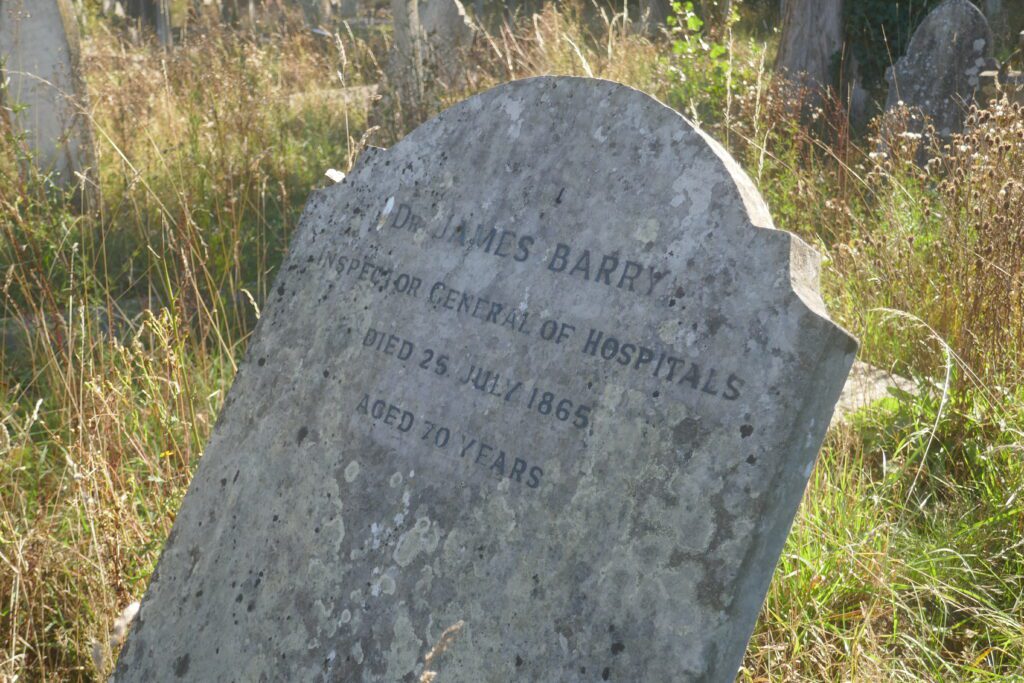
Barry was buried in Kensal Green but when I visited recently the grave looked a little forlorn and forgotten. It features in the cemetery guide produced by the Friends of Kensal Green but is not easy to find and was more overgrown than I remembered from earlier visits.

James Barry, not so easy to find

Barry does not feature on the national curriculum.

And Did The Three Ladies of the Crimea Ever Meet?

Nightingale and Seacole did meet in Scutari, when Seacole was en route to Crimea, and sought a bed for the night. Seacole recorded that one of Nightingale’s colleagues had rebuffed her thinking she sought to join their group, and she inferred that racism was at the root of the rebuttal. But later when Seacole was packing up to leave Crimea she told Soyer,

You must know, M Soyer, that Miss Nightingale is very fond of me. When I passed through Scutari, she very kindly gave me board and lodging.

When Soyer related this to Nightingale, she replied,

I should like to see her before she leaves, as I hear she has done a deal of good work for the poor soldiers. (5)

And yet, Nightingale did not want her nurses associating with Seacole, as she wrote to her brother-in-law, that although

She was very kind to the men and, what is more, to the Officers -and did some good, (she) made many drunk.

She added that Seacole kept “a bad house” in Crimea and that,

I had the greatest difficulty in repelling Mrs. Seacole’s advances, and in preventing association between her and my nurses (absolutely out of the question!). Anyone who employs Mrs. Seacole will introduce much kindness – also much drunkenness and improper conduct. (6)

Relations between Nightingale and Barry were even more fraught during their one recorded meeting. When Barry visited the hospital at Scutari in her role as Inspector General of Army Hospitals she was not impressed by the standards of hygiene and lectured Nightingale on the subject in the presence of her subordinates. For Nightingale who prided herself so much on the improvements which she had made in hygiene at Scutari this must have been particularly galling. After Barry’s death Nightingale wrote, in a letter fairly dripping with rage, and with a wild assortment of personal pronouns in parentheses,

I never had such a blackguard rating in all my life – I who have done more than any woman – from this Barry sitting on (her) horse, while I was crossing the Hospital Square, with only my cap on, in the sun. (He) kept me standing in the mist of quite a crowd of soldiers, commissariat servants, camp followers, etc etc, every one of whom behaved like a gentleman, during the scolding I received, while (she) behaved like a brute. After (she) was dead, I was told (he) was a woman. I should say (she) was the most hardened creature I ever met. (6)

There is no record of Seacole and Barry ever meeting.

And Today?

There are arguments that Seacole’s knowledge of medicine, her skills and her contribution to nursing surpassed those of Nightingale (7) whose work has been more critically reviewed in recent times. Yet others defend Nightingale’s achievements passionately, regarding Seacole as little more than a kind-hearted businesswoman. (8). The erection of a bronze statue of Seacole outside St. Thomas’ Hospital in 2016 proved controversial since the hospital is associated particularly with Nightingale.

Bronze of Mary Seacole placed outside St. Thomas’ Hospital in 2016

What is certain is that soldiers in the Crimea had reason to be grateful to both The Lady with the Lamp and to Mother Seacole – and to James Barry too.

  1. Mary Seacole, The Wonderful Adventures of Mrs. Seacole in Many Lands
  2. The Times, 20 September 1855
  3. National Library of Jamaica, Mary Seacole
  4. Mark Bostridge, Ministering on Distant Shores in The Guardian, 14 February 2004
  5. Alexis Soyer, Soyer’s Culinary Campaign, Routledge 1857
  6. Letters in Wellcome Institute
  7. Jane Robinson, Mary Seacole: The Black Woman who Invented Modern Nursing. Mark Bostridge, Ministering on Distant Shores
  8. Lynn McDonald, cofounder Nightingale Society

Elizabeth Garrett Anderson, and 164,440 other members of the GMC

Just in time for International Women’s Day on 8th March an article in The Guardian newspaper cited figures produced by the General Medical Council revealing that, with 164,440 women licensed to practise medicine in the United Kingdom, the number of female doctors had for the first time exceeded the number of males. Women now make up 50.04% of the nation’s doctors.

In 1865 there was only one female doctor on the medical register of the GMC: Elizabeth Garrett.

Born in 1836, Elizabeth Garrett had been educated at home and at a private boarding school for girls. She recorded her dissatisfaction with both her governess and her teachers, complaining particularly of the absence of science and maths teaching, although her sisters remembered that they received a sound grounding in literature and languages. After school and a tour abroad, Elizabeth returned home where for nine years she pursued her own studies alongside her domestic duties.

In 1859 she met Elizabeth Blackwell, the first woman to qualify as a medical doctor in the USA. Blackwell was in London to give a series of lectures on “Medicine as a Profession for Ladies.” In a biography of her mother Louisa Garrett Anderson describes a conversation a year later between her mother, her mother’s younger sister, Millicent Garrett, and their friend Emily Davies. She quotes Davies:

It is clear what has to be done. I must devote myself to higher education, while you (Elizabeth) open the medical profession to women. After these things are done, we must see about getting the vote. You are younger than we are Millie, so you must attend to that.*

The conversation may be apocryphal, but Emily Davies went on to establish and become Mistress of Girton College, Cambridge for women students, while Millicent Garrett Fawcett led the National Union of Women’s Suffrage Societies between 1897 and 1919.

Elizabeth Garrett faced implacable opposition from the British medical establishment, but she had several advantages on her side: she was clever and determined, she came from a wealthy family, and her father, a successful businessman in Suffolk, was unusually supportive of his daughters’ education and of their aspirations.

Unable, as a female, to enrol at a British medical school Elizabeth took up a position as a surgery nurse at Middlesex hospital. Despite protests from the male students, she was permitted to use the dissecting room and to attend chemistry lectures. With financial support from her father, she employed a tutor to mentor her in anatomy and physiology, securing certificates in those subjects along with chemistry and pharmacy.

Despite this evidence of her commitment and ability, the medical schools continued to reject her applications.

Undeterred, Garrett continued to study with private tutors and professors, and applied to the Worshipful Company of Apothecaries seeking to exploit a loophole in their charter preventing them from excluding students from their examinations on the grounds of sex. Nonetheless they did attempt to reject her application, backing down only when her father threatened to sue them. In 1865 Elizabeth Garrett obtained her licence from the Company. Though not a medical degree, the licence did qualify her to practise medicine, and her name appeared on the register of the GMC. The Worshipful Company took immediate steps to amend their regulations, disallowing anyone privately educated from sitting their examinations in the future.

Yet though she was now qualified Garrett could still not, as a woman, hold a post in any hospital. This time her father’s backing enabled her to open her own practice and a dispensary for women and children which became The New Hospital for Women and Children.

In 1870 she finally obtained a full medical degree from the faculty of medicine in Paris which was beginning to admit women.

Members of the medical patriarchy did their best to discourage other women from following her example. In 1874 the psychiatrist Henry Maudsley claimed that education for women led to over exertion which would reduce their reproductive capacity and render them liable to nervous and mental disorders.** Edward Hammond Clarke asserted that:

Higher education in women produces monstrous brains and puny bodies, abnormally active cerebration and abnormally weak digestion, flowing thought and constipated bowels.***

According to these physicians the trinity of menstruation, pregnancy and menopause rendered women frail, unstable and unsuitable for public life.

Garrett responded that the danger for women came not from education but from boredom in the home.

In 1874 Elizabeth Garrett Anderson (she had married in 1871) cofounded the London School of Medicine for Women (later the Royal Free Hospital School of Medicine) where she lectured. Here women were prepared for the medical degree of London University whose examinations were opened to them from 1877.

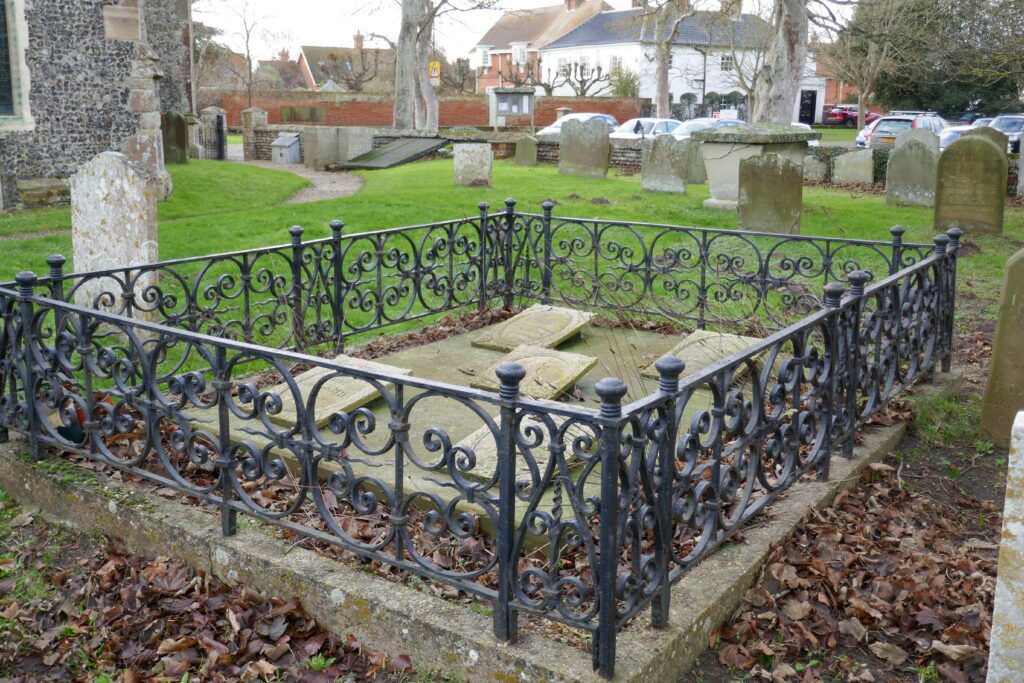
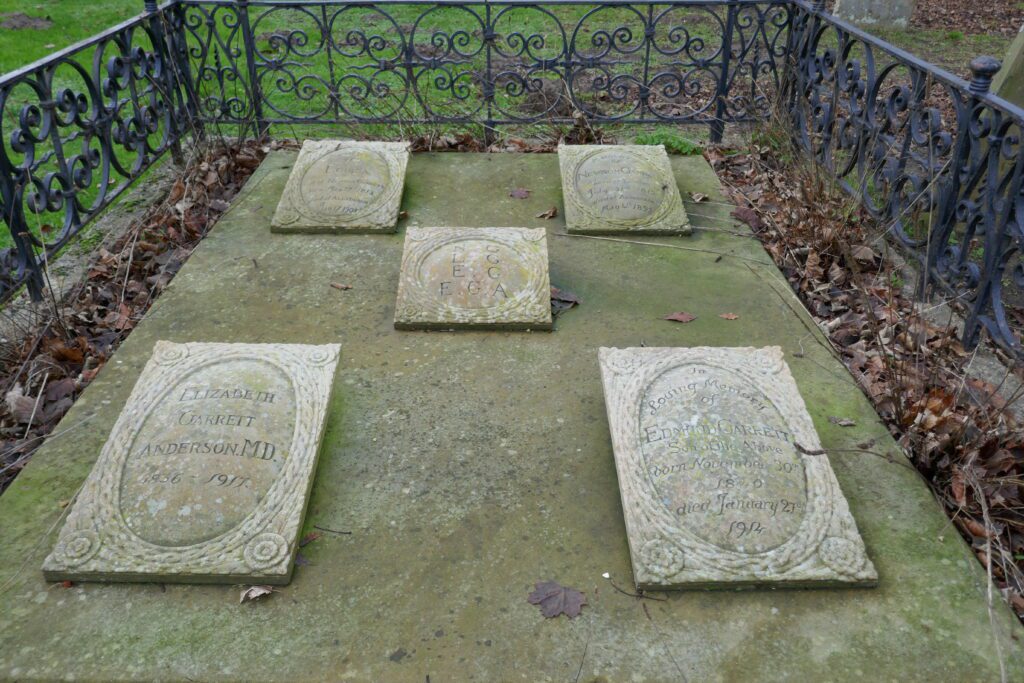
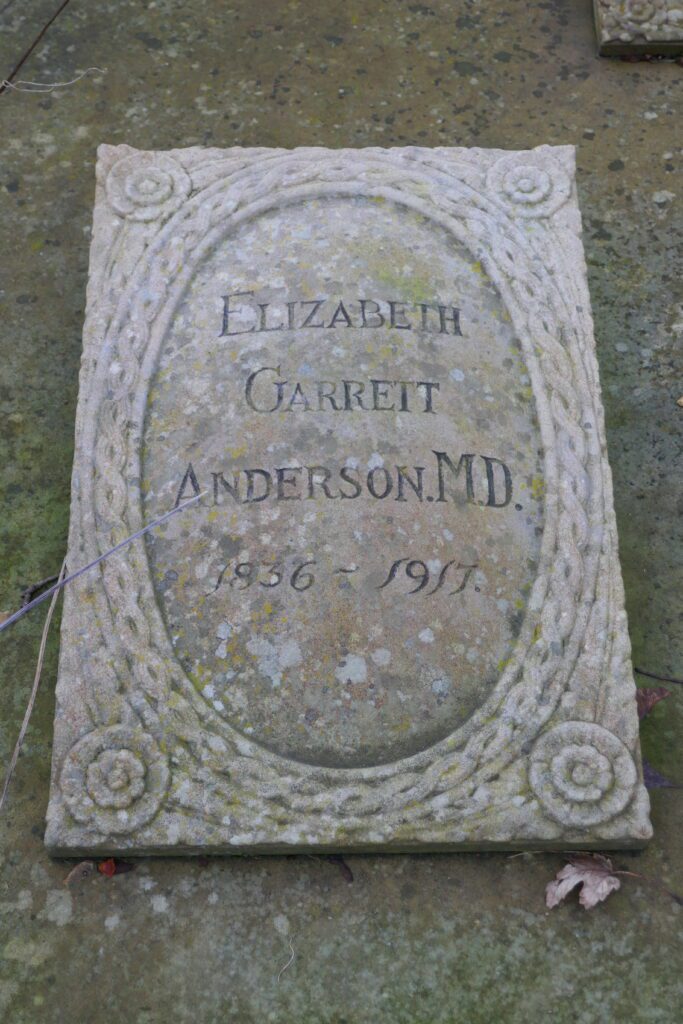
Garrett Anderson retired to her old family home Alde House, in Aldeburgh in 1902. She is buried in the family grave in the churchyard of Saint Peter and Saint Paul.

Family grave of the Anderson family, SS Peter and Paul, Aldeburgh
Newton and Louisa Anderson, Elizabeth’s parents, and some of her eleven siblings are buried here
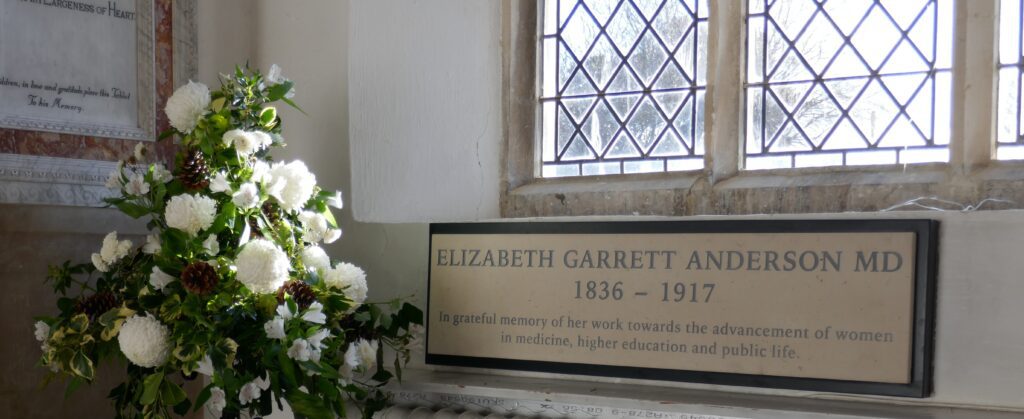
Elizabeth Garrett Anderson MD
Memorial in the church

While lauding the achievements of Elizabeth Garrett Anderson and the other early pioneers, I had reservations about the triumphalist tone of the newspaper article: it seemed an old and long settled battle to be reviving. But days later a letter appeared in the same newspaper from an emeritus professor at St. George’s Hospital Medical School describing a study he had published with a colleague in 1985 showing that secret quotas still existed in all the London medical schools limiting the number of women admitted to study medicine. The use of discriminatory practices only ceased in the UK in 1988 as a result of this study. **** Not such an old battle then, and as Professor Collier points out, it still took forty years to achieve today’s gender balance.

*Louisa Garrett Anderson, Elizabeth Garrett Anderson:1836-1917, Faber and Faber, 1939

**Henry Maudsley, Sex in Mind and Education, Fortnightly Review, Volume 15, April 1874

***Edward Hammond Clarke, Sex and Education, 1875

****Joe Collier, Guardian letters page, 10 March 2025

Jenner, Jesty, Mary Wortley Montagu and Blossom

“ I have had my fifth Covid jab as I am immunocompromised,” read a text from my friend, “they can call me whatever they want as long as I am jabbed, jabbed, jabbed.” “ I had pneumonia with my flu jab last autumn,” I countered, but I was outclassed. “Doesn’t cut the mustard,” came the reply “fifth Covid trumps pneumonia.” My friend and I embrace our vaccinations; we belong to the fortunate generation who until recently took for granted the protection afforded to us throughout our lives by vaccines. I have no memory of receiving my smallpox, polio, and diphtheria inoculations but I remember  the sepia photograph on my grandparents’ bedroom wall of a seven-year-old boy in a sailor suit, their son who had died of diphtheria,  and the  two slightly older children in my primary school who wore callipers having contracted polio. Neither disease ever posed a threat to me. In our teenage years when my school friends and I received our BCG vaccinations we gave little thought to  tuberculosis but  speculated enthusiastically on whether our crocodiling from school to the clinic and back might involve missing maths or Latin. Personally, I hoped to miss games, but this was not a popular view. In adulthood  vaccinations  ensured my safety on holidays: typhoid, hepatitis and cholera became routine, immunisation against yellow fever spoke of exotic destinations.

The Covid pandemic  shook my complacency breaching the defences of my protected, inoculated western world, and I was afraid. When in December 2020 Margaret Keenan received the first licensed vaccine against Covid, developed by Ugur Sahin and Ozlem Tureci, I rejoiced. On a bitterly cold day in February 2021, I joined other exultant, albeit masked and socially distanced, individuals at Shepton  Mallet Social Services Hub where we thanked effusively the shivering but cheerful volunteers who told us where to park and those who managed the queue in the freezing hall with its doors and windows flung wide, reserving our most effusive thanks of all for those who administered our jabs.

Later, as the third lockdown passed, I made newly appreciative and grateful visits to early vaccinators.

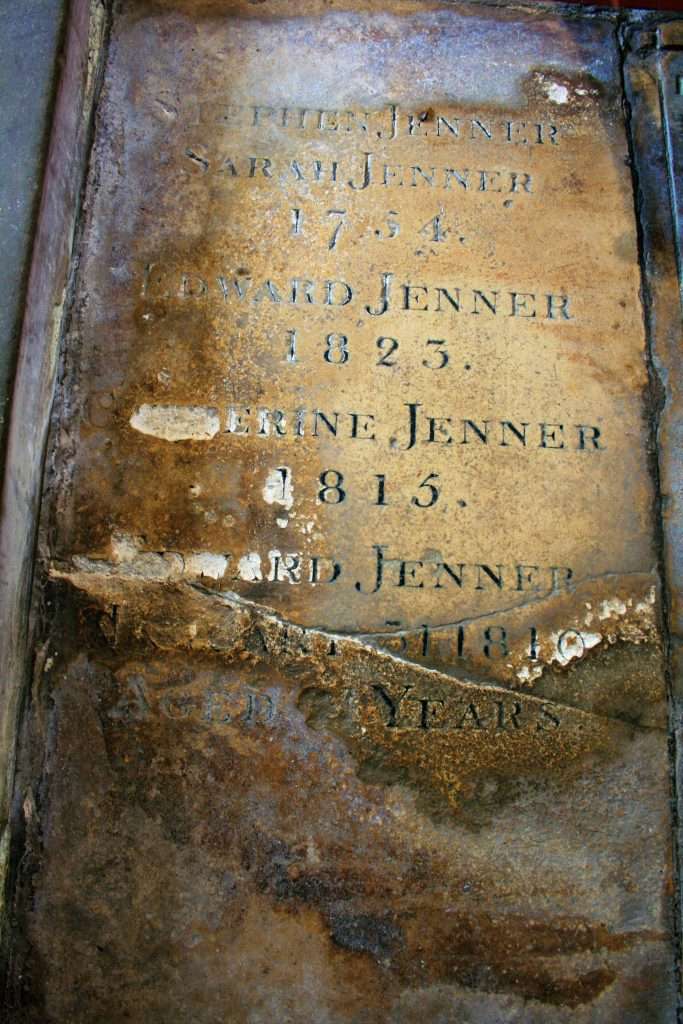
A weathered slab beside the altar in the church of St. Mary the Virgin, Berkeley marks the grave of Edward Jenner along with his parents, wife, and son.

Grave of Edward Jenner

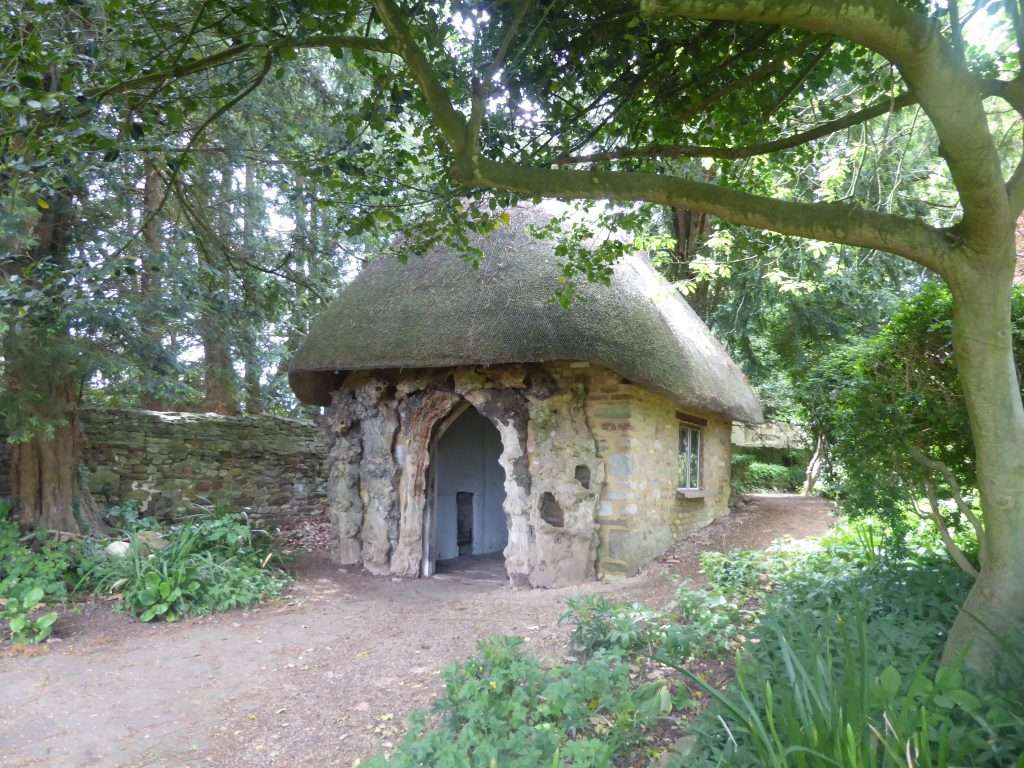
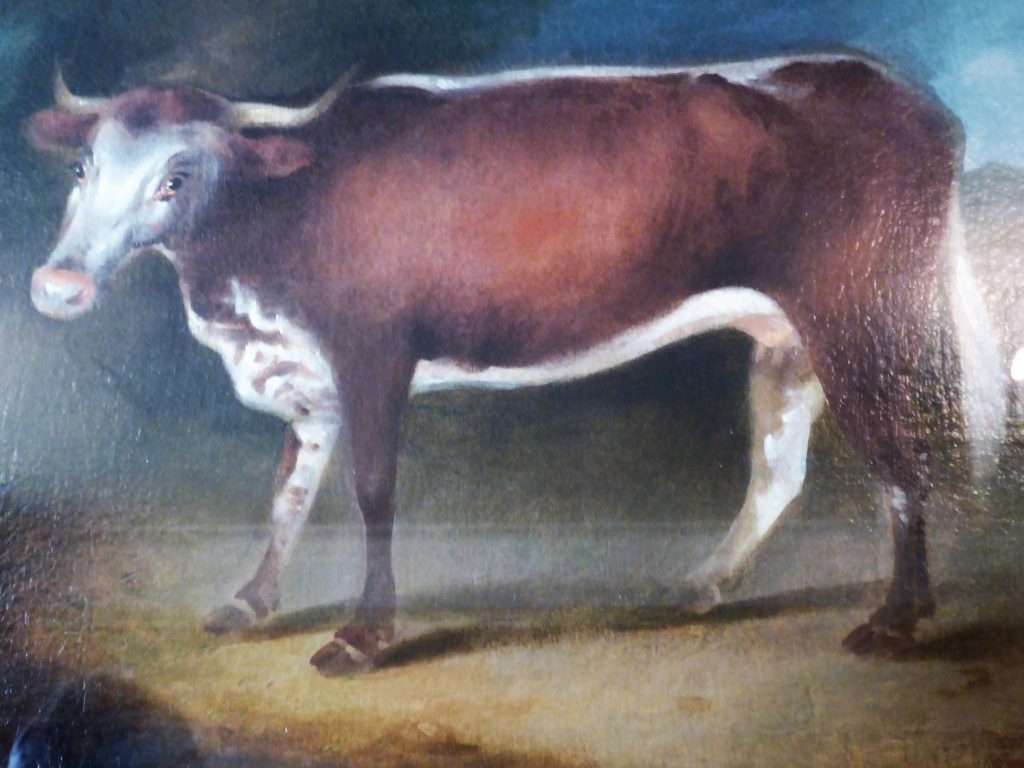
Having  noticed the immunity of milkmaids from smallpox, and linked this to their exposure to cowpox, which he believed protected them, in 1796 Jenner injected James Phipps, the eight-year-old son of his gardener, with pus scraped from the blisters of a milkmaid  who had contracted cowpox from a cow called Blossom. Six weeks later when he inoculated the boy with smallpox there were no ill effects. Jenner set up a hut in his garden, the Temple of Vaccinia,  offering free vaccinations to the poor.

The Temple of Vaccinia

Jenner’s discovery however was not universally welcomed: sections of the clergy  held it ungodly and unnatural to inoculate people with material from a diseased animal, others feared the effects. The cartoonist Gillray, who pictured people growing cows’ heads after having the vaccine, satirised the credulity of extreme opponents. When vaccination with the cowpox became compulsory in 1853 there were protest marches and calls for freedom of choice. It was not until 1980 that the World Health Organisation was able to declare that “smallpox is dead,” and today specimens remain in only two laboratories in the USA and Siberia for research purposes, held, it is said, with greater security than the nuclear bomb. An exhibition in Jenner’s house, next door to the church,  traces the horrible effects of smallpox and the history of the vaccine.

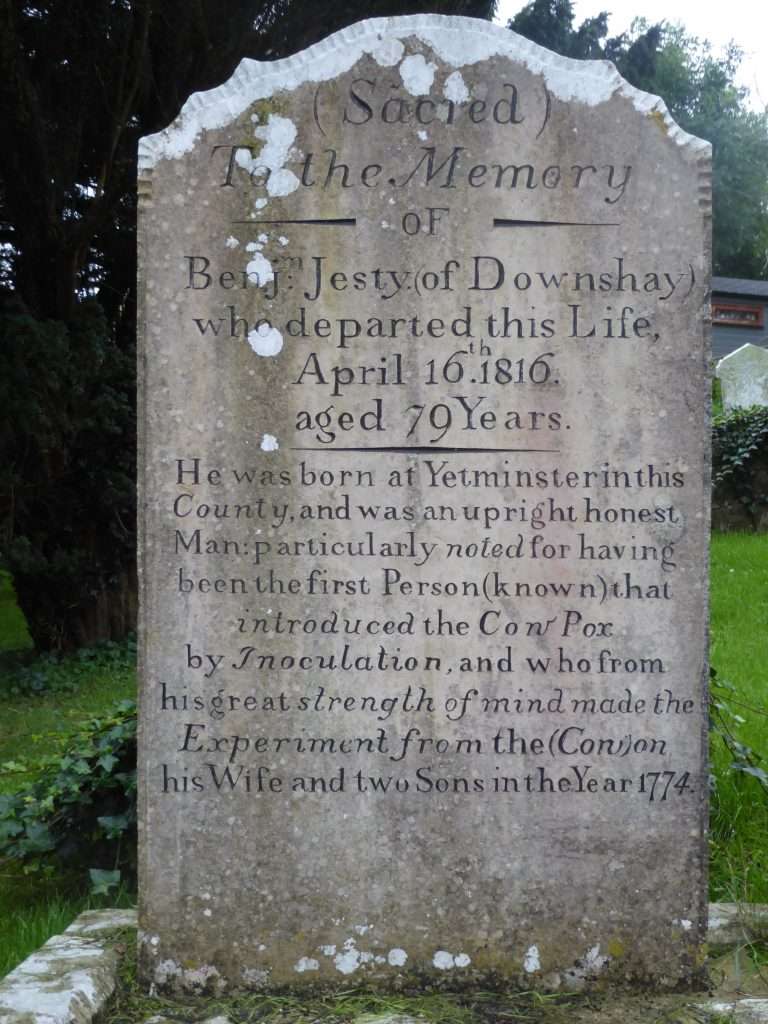
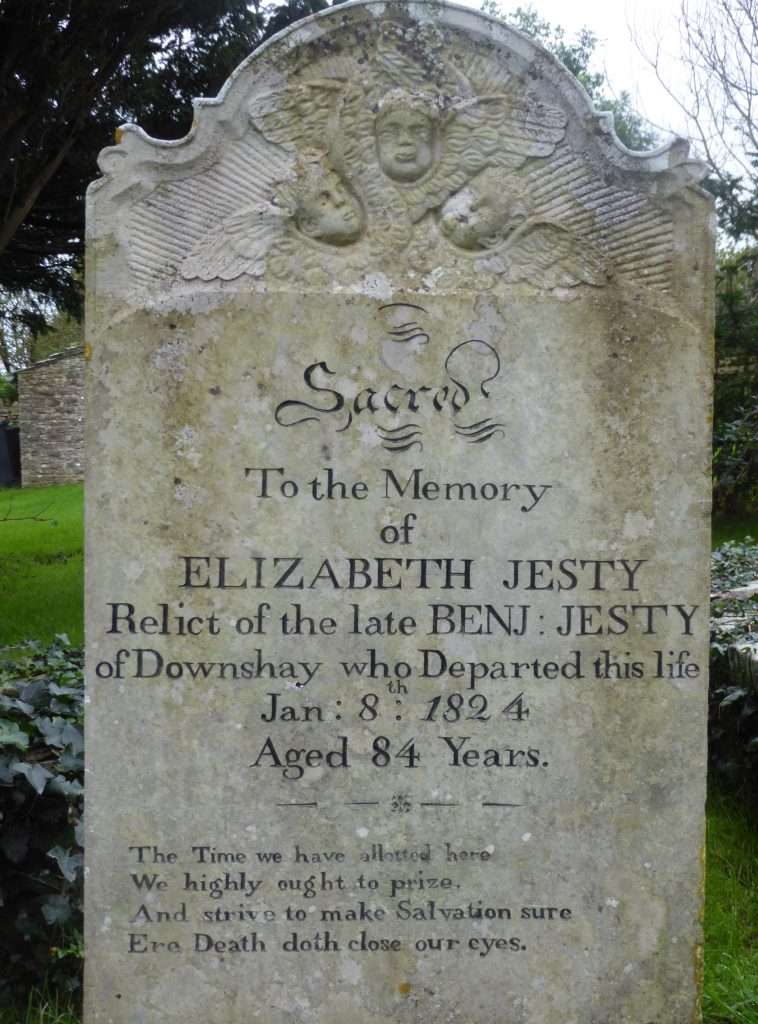
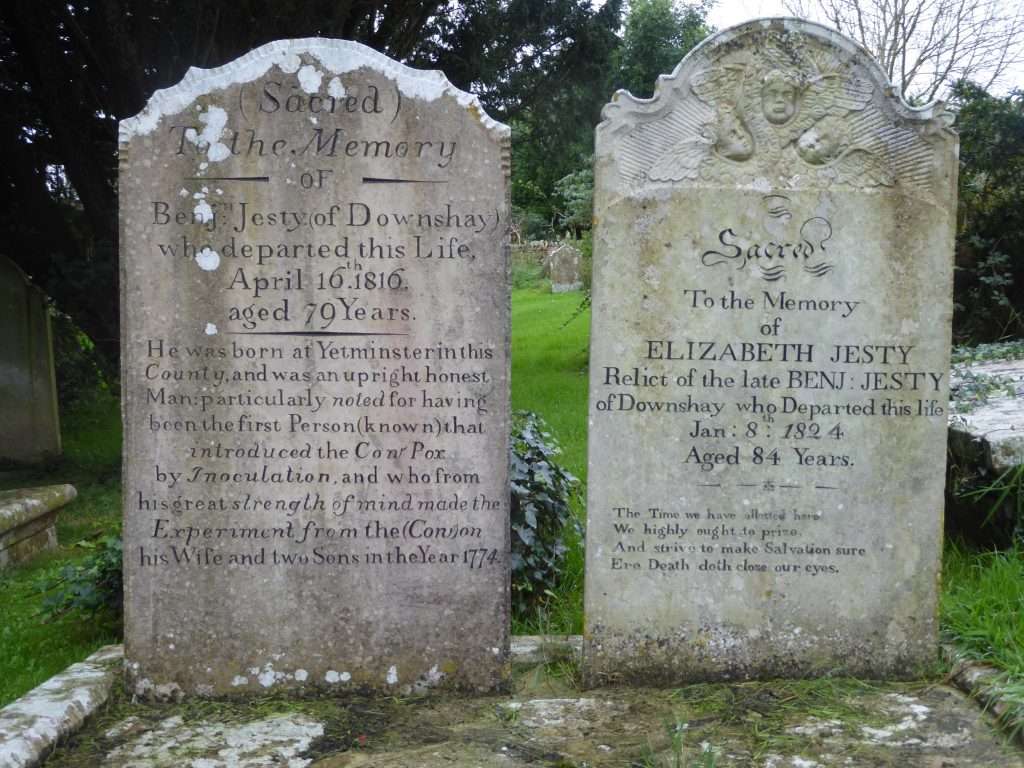
But Jenner was not  the first to inoculate with cowpox. In the graveyard of St. Nicholas in Worth Maltravers I visited the recently restored grave of Benjamin Jesty. Twenty-two years before Jenner, during  the smallpox epidemic in 1774, the Dorset farmer inoculated his wife and two children with a darning needle coated in pus drawn from lesions on an infected cow . Although his vaccine was widely used by country doctors and farmers,  Jesty  too had met with ridicule and hostility not least from  members of the medical establishment. He wrote his own epitaph  describing himself as “the first person that introduced the cowpox by inoculation.” His wife, fittingly commemorated in a grave alongside him, added the more cautious and modest “known” in parenthesis.

Grave of Benjamin Jesty, the first person (known) that introduced the cowpox by inoculation
Jesty’s wife, Elizabeth, first person (known) that received the cowpox by inoculation
Graves of the Jestys

 Before Jesty or Jenner the exotic Lady Mary Wortley Montagu had brought variolation,  inoculation with pus taken from someone with smallpox itself to produce a mild infection and then immunity in the recipient, to Europe in 1721. The practice was widespread in Africa and Asia, and after observing it in Constantinople where her husband was ambassador, she had her own children inoculated. Later she encouraged trials on Newgate prisoners: faced with execution they were offered the alternative of receiving the inoculation and their freedom if they survived. Happily, all survived. The practice was also trialled on orphans. Criticism of Montagu focused not on the dubious morality of these trials but on fears of the results  and a certain prejudice against oriental medicine. Controversial though the process was  the Straffords at Wentworth Castle  had their children treated. When their  son  inherited the estate he dedicated the Sun Monument, an obelisk  in the gardens of Wentworth, to Montagu. She is buried in the vault of Grosvenor Chapel  in London.

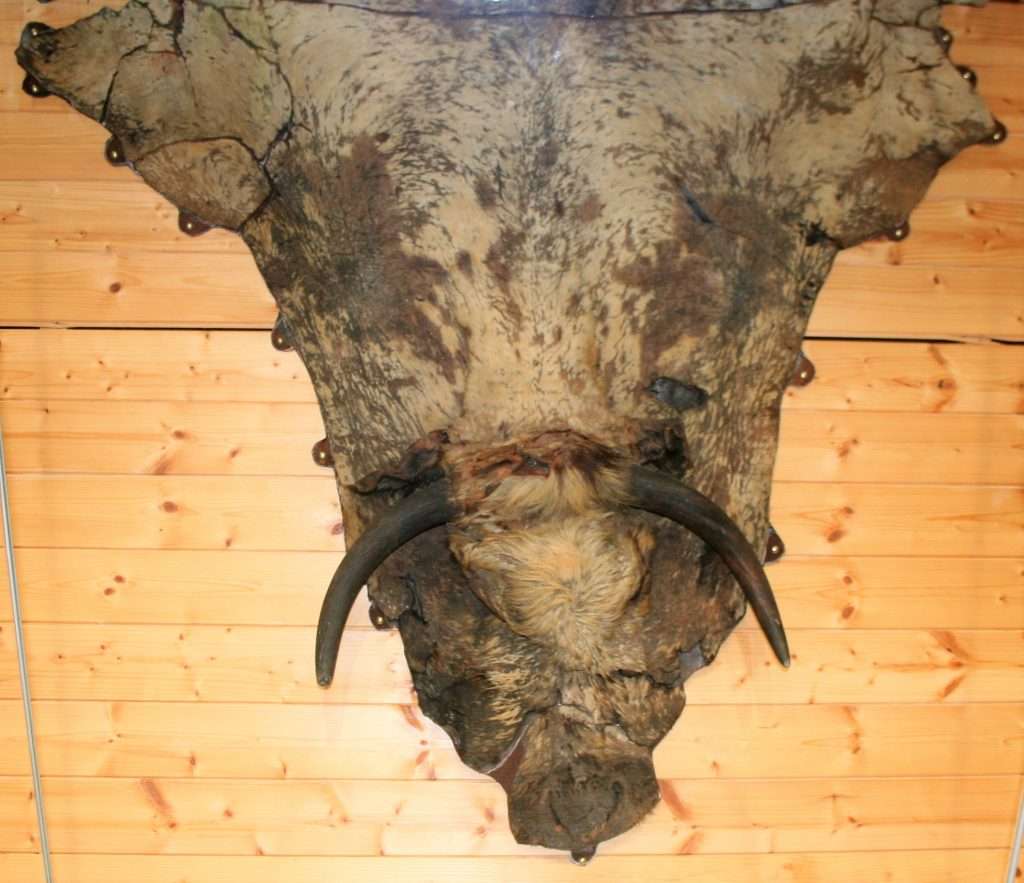
And Blossom? Jenner kept her hide and horns when she died. Today her hide hangs proudly in the library at  St. George’s Hospital Medical School where Jenner did his medical training, but they admit that her horns are wooden copies, a letter in their archives suggesting that an impecunious relative of Jenner’s may have sold the originals to an American university in the 1930s.

Blossom’s hide, St. George’s Hospital Medical School

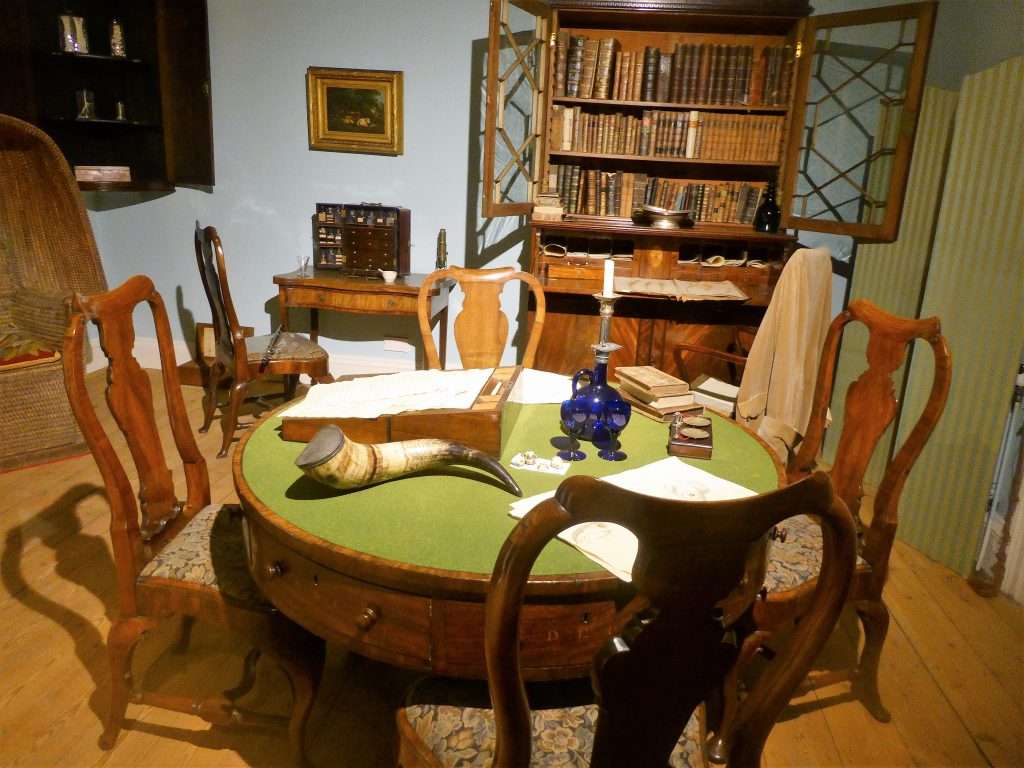
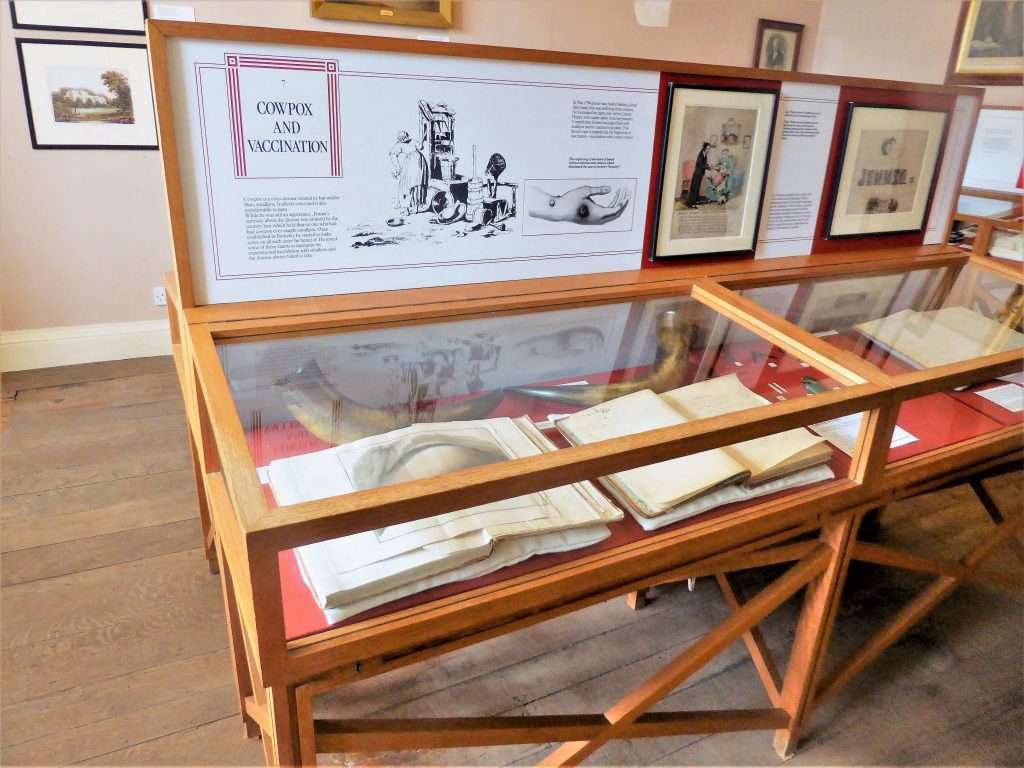
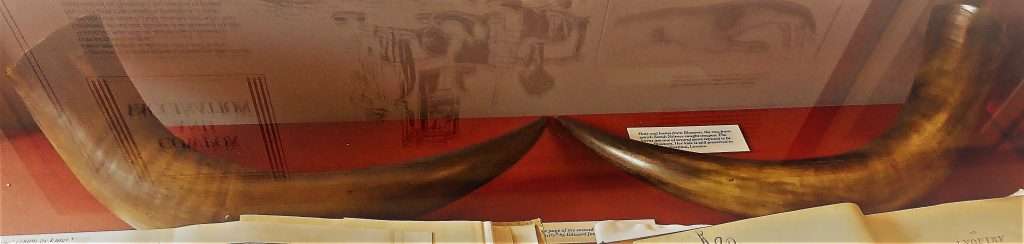
The museum at Jenner’s House has in its possession no less than seven horns: one magnificent specimen lying on the desk in Jenner’s study bears a silver inscription attesting proudly that  Jenner himself polished it and gave it  as a gift; two others are on display in a glass case.

A horn on the desk in Jenner’s study, inscribed by Jenner
A pair of horns in a glass case in the Jenner museum may be those of Blossom

Rival claimants to the “true horns” include the George Marshall Medical Museum in Worcester which owns a pair; the Thackery Museum in Leeds has another two; the Science museum has one and so does the Old Operating Theatre. But Blossom’s finest memorial, and that of Jenner, Jesty and Montagu, is the protection bestowed on us  with every inoculation we receive.

Thank you, Blossom

Powered by WordPress & Theme by Anders Norén