Thomas Gray’s Elegy Written in a Country Churchyard was an instant success when it was first published in 1751 and ensured his popularity throughout the latter half of the eighteenth century. Although he published only thirteen poems in English, he was offered, and turned down, the position of Poet Laureate in 1757.
He became known, along with Thomas Parnell, Robert Blair and Edward Young, as one of the Graveyard or Churchyard Poets. Their work, like the religious revival of the day, was essentially melancholy, characterised by meditations on mortality, lost innocence, disillusionment, fate. They were perfectly in tune with the Age of Sensibility, focusing on the transience of life, on emotions, nature, the individual, on loss, grief, and suffering. Even Gray’s Ode on the Spring quickly establishes itself as a memento mori, with the vibrant spring day he describes not a symbol of renewal but a reminder that life is short and soon succeeded by death.
If this sounds unduly bleak it is well to remember that life in the eighteenth century was precarious. Gray was the only one of twelve siblings to survive infancy. He had sent the Ode on Spring to his closest friend Richard West in a letter which was returned unopened for West had died at the age of only twenty-four.
Gray’s poetry is little read today although even in my parents’ generation primary school children still learned sections of the Elegy Written in a Country Churchyard by rote and quite surprising people could unexpectedly declaim its stanzas. Even today persons who may be entirely unfamiliar with the poem unknowingly reproduce it for many of Gray’s memorable aphorisms have passed into common parlance.
The poem opens with a lyrical evocation of the English countryside and rural life, the painterly detail and mellifluous tones conjuring a tranquil scene:
The curfew tolls the knell of parting day,
The lowing herd wind slowly o’er the lea,
The ploughman homeward plods his weary way,
And leaves the world to darkness and to me.
Gray then reflects on the people buried in the churchyard. Celebrating the lives and work of the unknown villagers, he reminds the rich and powerful of the transience of their achievements, that their end will be the same:
The paths of glory lead but to the grave.
Moreover, he reflects, given the opportunity the obscure villagers may have been capable of great things. He imagines
Some village Hampden, that, with dauntless breast,
The little tyrant of his fields withstood,
Some mute inglorious Milton here may rest,
Some Cromwell guiltless of his country’s blood.
But he ruefully acknowledges,
Full many a flower is born to blush unseen,
And waste its sweetness on the desert air.
Yet the very obscurity of the villagers also proscribed their crimes, for they were
Forbade to wade thro’ slaughter to a throne
but remained
Far from the madding crowd’s ignoble strife.
Contemplating the “frail memorial(s)” and “uncouth rhymes” on the rustic graves, Gray empathises with the universal yearning to be loved and remembered.
He imagines someone contemplating his own grave and inquiring about his life, and ends with his own epitaph, describing himself as an obscure and melancholy poet, hopeful of an afterlife. I find the epitaph less successful than the rest of the poem, and it did not exist in the earliest version which had instead reemphasised the inevitability of death, returning to the theme of its levelling influence, and advising resignation and stoicism:
But through the cool sequester’d vale of life
Pursue the silent tenour of thy doom.
Even for a graveyard enthusiast Gray can be overly morbid with his constant reminders that the legacy of day is night, and his emphasis on mortality and finality. Yet he did occasionally exhibit a lighter side. His tragi-comic Ode on the Death of a Favourite Cat Drowned in a Tub of Goldfishes, written on the request of Horace Walpole when his cat Selima died, is a witty description of the feline’s demise, a prey to unseemly desire:
A whisker first and then a claw,
With many an ardent wish,
She stretched in vain to reach the prize
What female heart can gold despise?
What cat’s averse to fish?
…
Again she stretch’d, again she bent
…
Eight times emerging from the flood
She mewed to every watery god,
Some speedy aid to send.
No dolphin came, no Nereid stirred
…
From hence, ye beauties, undeceived,
Know one false step is ne’er retrieved,
…
Not all that tempts your wandering eyes
And heedless hearts is lawful prize;
Nor all that glisters, gold.
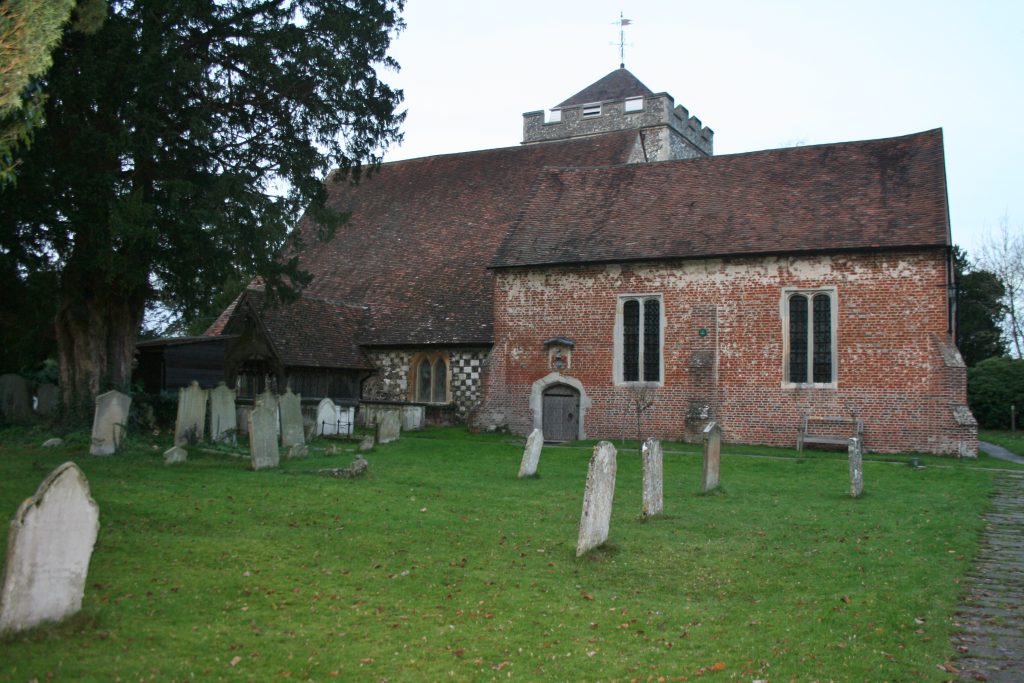
Following his own death Thomas Gray was buried alongside his mother at Saint Giles, Stoke Poges, Buckinghamshire, in the churchyard made famous by his poem.
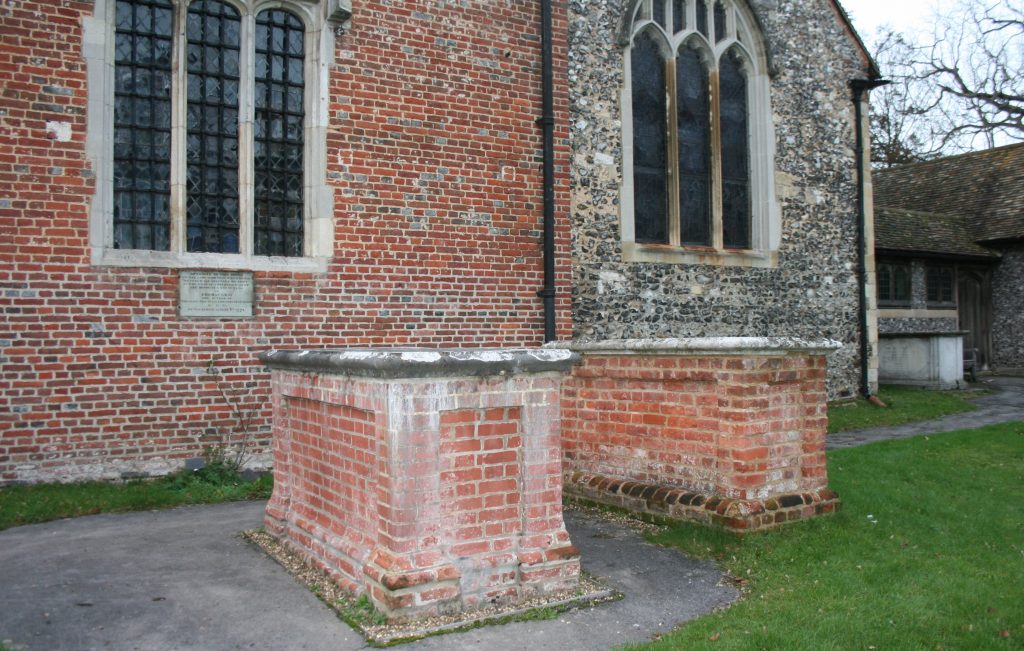
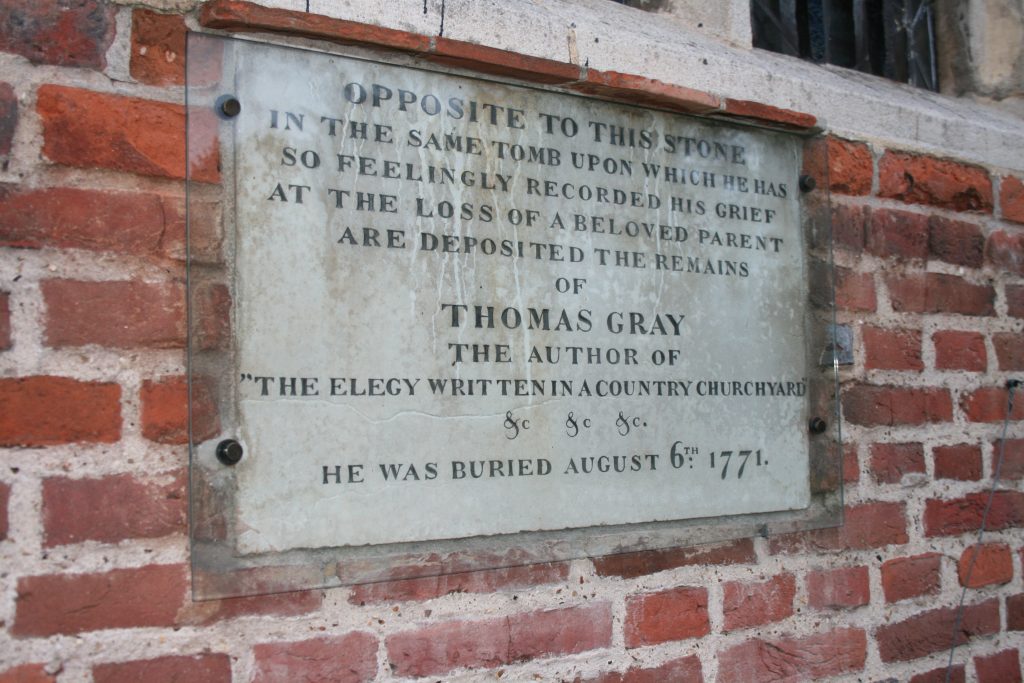
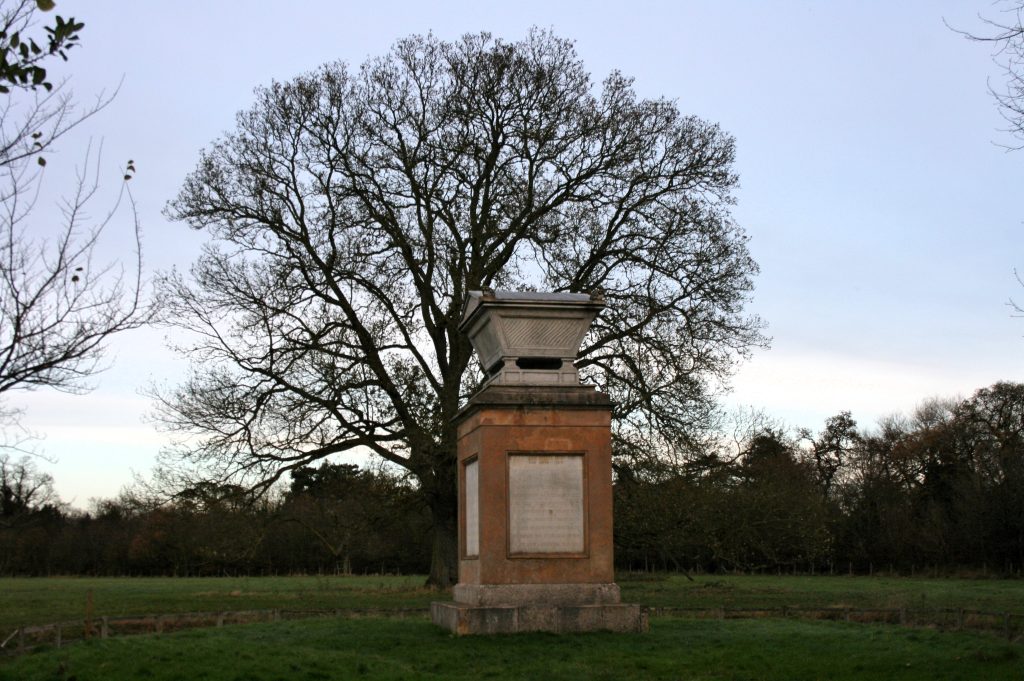
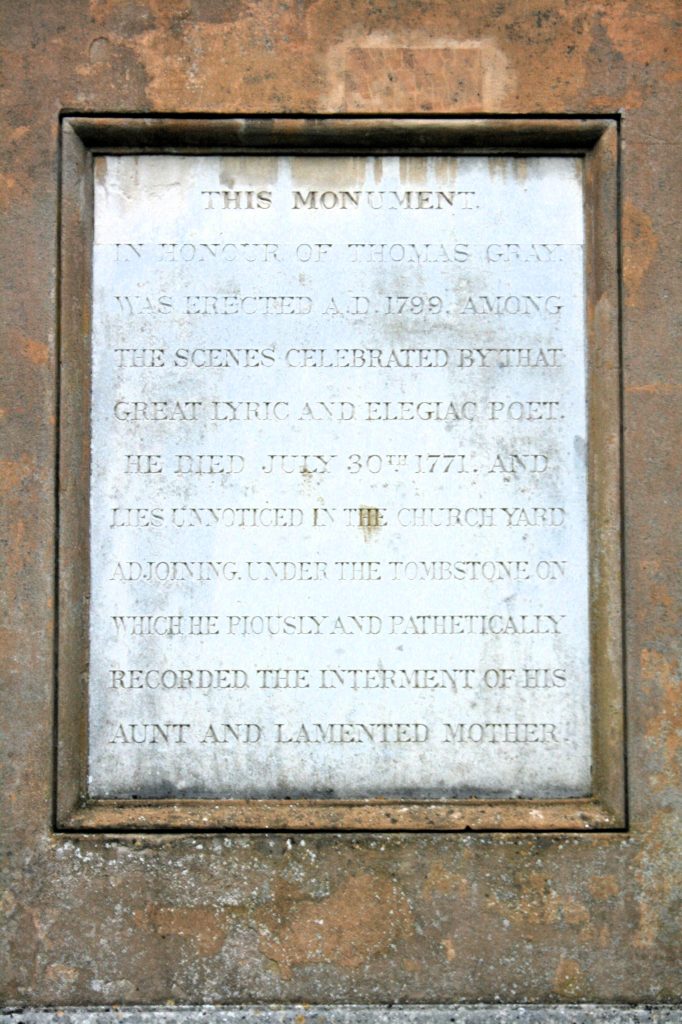
There is also an extraordinarily bombastic memorial in Westminster Abbey which I can never pass without a cringe of embarrassment. The verse on it reads
No more the Grecian Muse unrivall’d reigns
To Britain let the Nations homage pay.
She felt a Homer’s fire in Milton’s strains.
A Pindar’s rapture in the Lyre of Gray.
Gray, I suspect, would have cared little for these grandiose memorials, preferring his own modest grave in the churchyard. He might even have been tempted to respond to the overblown language with a few satiric verses.